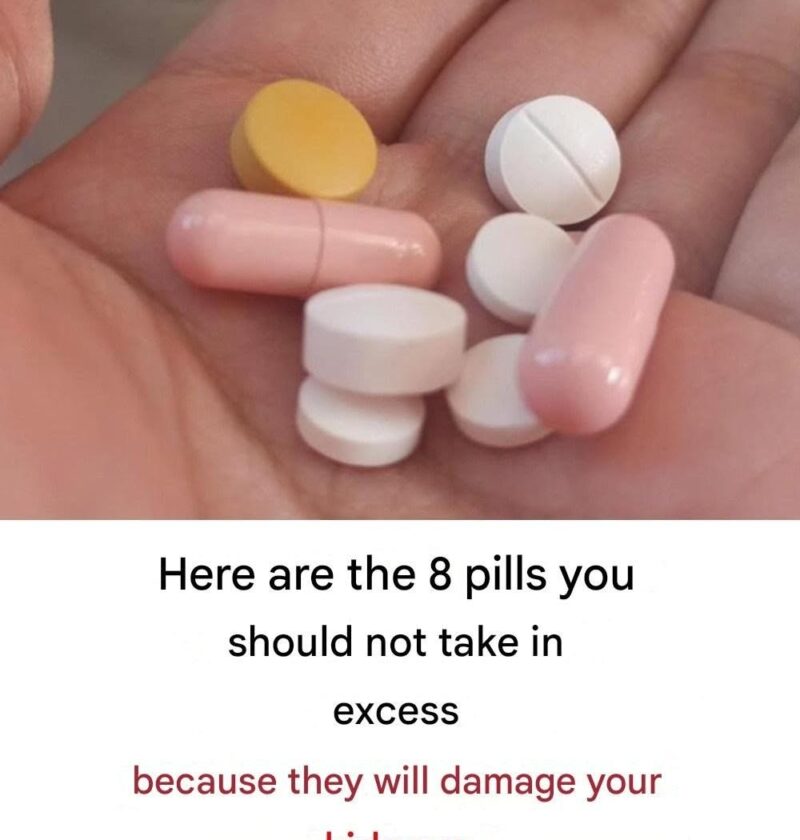
Eight Types of Pills That Can Harm Your Kidneys (Especially When Misused)
The statement “eight pills you shouldn’t take because they damage your kidneys” needs context. Many medicines are safe and effective when used correctly, but certain medications can stress the kidneys, especially with high doses, long-term use, dehydration, or in people who already have kidney disease.
1. NSAID pain relievers
Examples: ibuprofen, naproxen, and similar anti-inflammatory pain medicines.
Risk: Can reduce blood flow to the kidneys and may contribute to kidney injury, especially with frequent use or in people with kidney problems.
2. Certain antibiotics
Some antibiotics can affect kidney function in certain situations, particularly at high doses or in vulnerable patients. Doctors may adjust doses based on kidney function.
3. Some acid-reducing medicines
Certain long-term acid-suppressing medicines have been linked in studies to kidney problems in some people.
4. Diuretics (“water pills”)
These are often prescribed for blood pressure or heart conditions and can be beneficial, but incorrect dosing can lead to dehydration or electrolyte problems that affect the kidneys.
5. ACE inhibitors and ARBs (blood pressure medicines)
These medicines are often kidney-protective in many patients, especially those with diabetes or certain kidney conditions. However, they require monitoring because they can change kidney blood tests or potassium levels.
6. Certain antiviral medicines
Some antiviral drugs can affect kidney function and may require monitoring.
7. Some chemotherapy medicines
Certain cancer treatments can be harmful to kidneys, so kidney function is checked during treatment.
8. Herbal supplements or “natural” pills
Some supplements may contain ingredients that are harmful to kidneys or interact with medicines, especially if taken in high doses.
Protect your kidneys:
✅ Drink enough fluids (unless your doctor has restricted fluids).
✅ Avoid taking painkillers regularly without medical advice.
✅ Tell your doctor about all medicines and supplements you use.
✅ Check kidney function through recommended blood tests if you take long-term medications.
Do not stop prescribed medicines on your own. Many medications on this list are important treatments when used correctly and monitored by a healthcare professional.