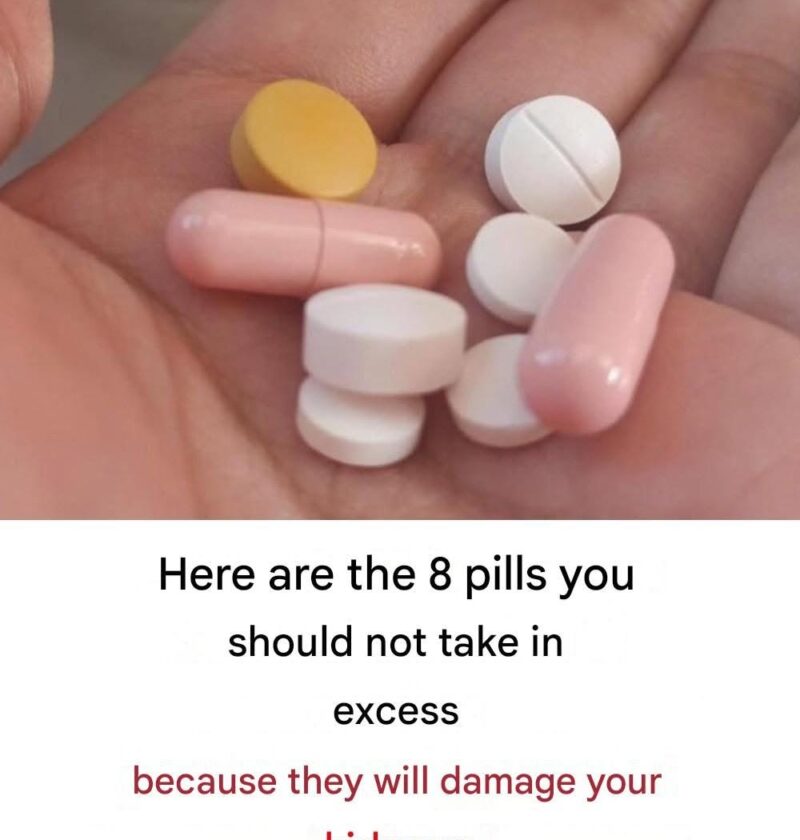
That headline (“eight pills you shouldn’t take because they damage your kidneys”) is clickbait. There is no universal list of 8 pills everyone must avoid. What matters is dose, duration, hydration, and existing kidney health.
However, it is true that some common medications can stress or injure the kidneys, especially in people with Chronic Kidney Disease or dehydration.
Here are medication groups doctors monitor carefully:
💊 Medicines that can affect kidney function (when misused)
1. NSAID painkillers
Examples:
- Ibuprofen
- Naproxen
- Diclofenac
⚠️ Risk:
- Reduce blood flow to kidneys if overused
- Higher risk in dehydration or elderly
2. Strong antibiotics (especially in hospital use)
- Gentamicin (aminoglycoside class)
- Vancomycin
⚠️ Risk:
- Can be toxic to kidney tissue at high levels
3. Proton pump inhibitors (acid reflux drugs)
- Omeprazole
- Pantoprazole
⚠️ Risk:
- Long-term use in some people linked to kidney inflammation
4. Lithium (mood stabilizer)
- Lithium
⚠️ Risk:
- Can affect kidney function with long-term use
- Requires regular blood monitoring
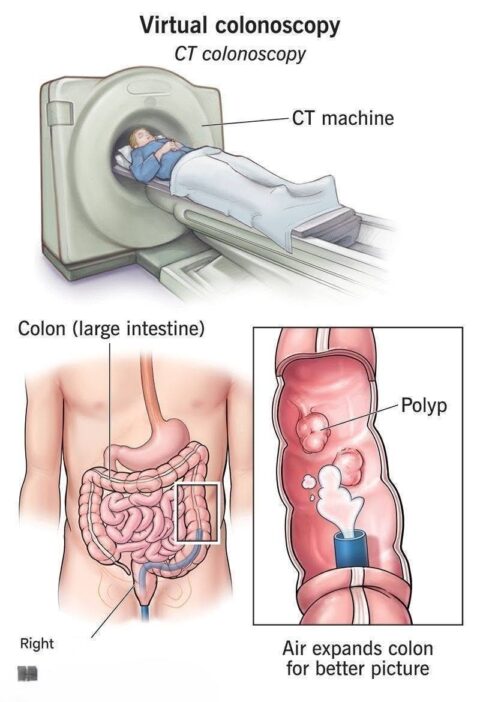
5. Contrast dye (for CT scans)
(Not a pill, but commonly mentioned)
⚠️ Risk:
- Can temporarily stress kidneys in high-risk patients
6. Some blood pressure medicines (context-dependent)
- ACE inhibitors (e.g., enalapril)
- ARBs (e.g., losartan)
⚠️ Important:
- These are usually kidney-protective long-term
- But may change kidney numbers at start → needs monitoring
7. Diuretics (“water pills”)
- Furosemide, hydrochlorothiazide
⚠️ Risk:
- Can dehydrate if overused → kidney stress
8. Certain antivirals or chemotherapy drugs
- Used under strict medical supervision
- Known to potentially affect kidneys
🧠 Key truth doctors emphasize
- These drugs are not “bad” by default
- Many are life-saving when used correctly
- Kidney problems usually happen due to:
- Overuse
- Wrong dose
- Dehydration
- Existing kidney disease