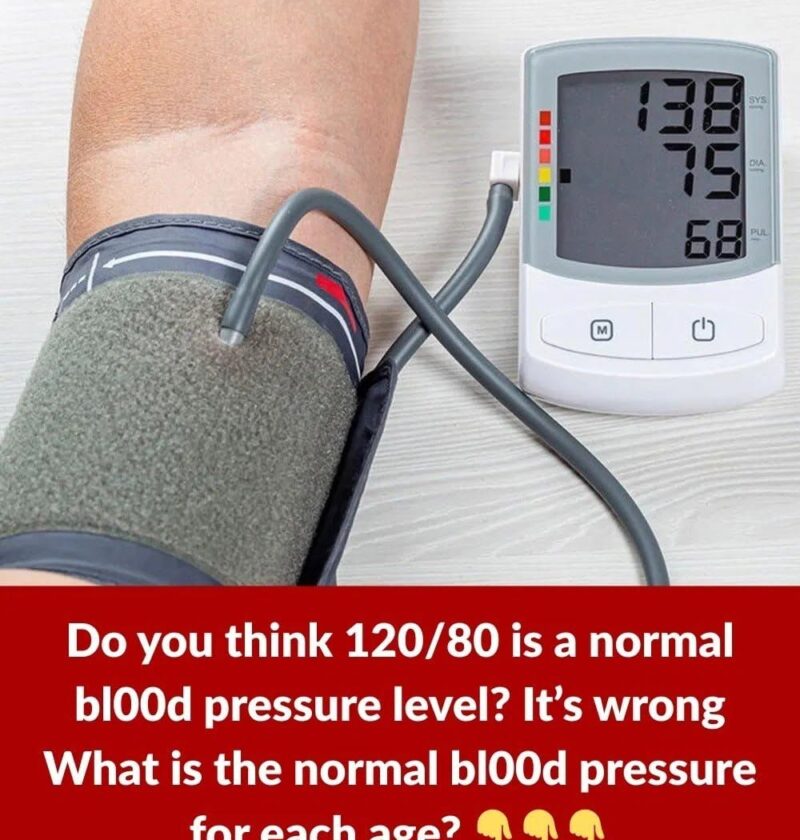
Blood pressure does not have a different “normal” value for every age in adults. Current medical guidelines generally use the same healthy range for most adults.
Here’s a simple guide:
| Age | Typical healthy blood pressure* |
|---|---|
| Newborn | About 60–90 / 20–60 mmHg |
| Infant (1–12 months) | 80–100 / 55–65 mmHg |
| Child (1–5 years) | 90–110 / 55–75 mmHg |
| Child (6–12 years) | 95–115 / 60–75 mmHg |
| Teen (13–17 years) | 100–120 / 60–80 mmHg |
| Adults (18+ years) | Less than 120/80 mmHg |
For adults, blood pressure is generally classified as:
- Normal: Less than 120/80 mmHg
- Elevated: 120–129 systolic and less than 80 diastolic
- High blood pressure (Stage 1): 130–139 systolic or 80–89 diastolic
- High blood pressure (Stage 2): 140/90 mmHg or higher
- Hypertensive crisis: 180/120 mmHg or higher (seek immediate medical care)
A few things to keep in mind:
- Blood pressure naturally changes throughout the day depending on activity, stress, sleep, and other factors.
- Older adults may have slightly higher readings due to changes in blood vessels, but healthcare providers still generally aim for a blood pressure below 130/80 mmHg for many people, depending on their overall health and medical conditions.
- A single reading isn’t enough to diagnose high blood pressure. It should be measured correctly on multiple occasions.
If you tell me the person’s age and blood pressure reading (for example, 135/85), I can help explain what it means.