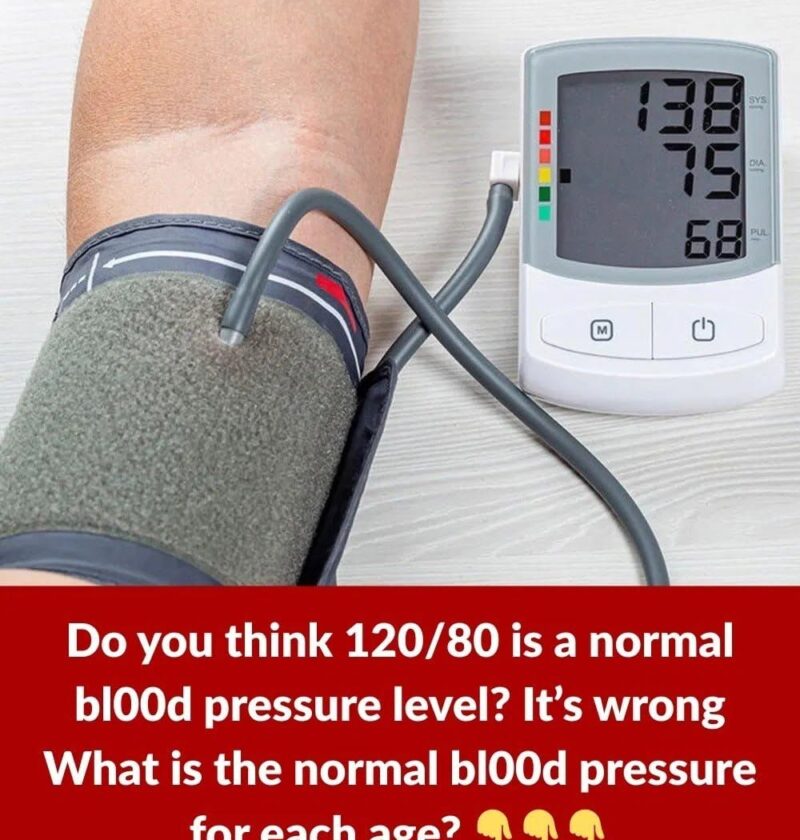
The claim that there is one “normal” blood pressure number for every age is a common misconception. Blood pressure goals depend on your overall health, medical conditions, medications, and individual risk factors—not just your age.
General adult blood pressure categories
| Blood pressure reading | Meaning |
|---|---|
| Below 120/80 mmHg | Generally considered normal |
| 120–129 / below 80 | Elevated |
| 130–139 or 80–89 | High blood pressure (Stage 1) |
| 140+ or 90+ | High blood pressure (Stage 2) |
Typical considerations by age (general guidance)
18–39 years
- Often around <120/80 mmHg is considered healthy.
- Lifestyle habits strongly influence future risk.
40–59 years
- Many adults aim for below 130/80 mmHg, depending on health status.
- Monitoring becomes more important as risk factors increase.
60–79 years
- Blood pressure goals are individualized.
- Many people benefit from keeping it around <130/80 mmHg, but treatment decisions depend on overall health and tolerance.
80+ years
- Targets are often personalized.
- Doctors may balance blood pressure control with risks such as dizziness, falls, and medication side effects.
The “mistake” many people make
A person may assume that “higher blood pressure is normal because I’m older.” While blood pressure can rise with age, high blood pressure is still a risk factor for heart disease, stroke, kidney disease, and other problems.
Tips for getting an accurate reading
- Rest quietly for about 5 minutes before measuring.
- Sit with your back supported and feet flat on the floor.
- Keep your arm supported at heart level.
- Avoid caffeine, smoking, or exercise shortly before checking.
- Take multiple readings on different days.
If you share your age, blood pressure reading (for example 145/85), and whether you take blood pressure medicine, I can help interpret what it may mean.