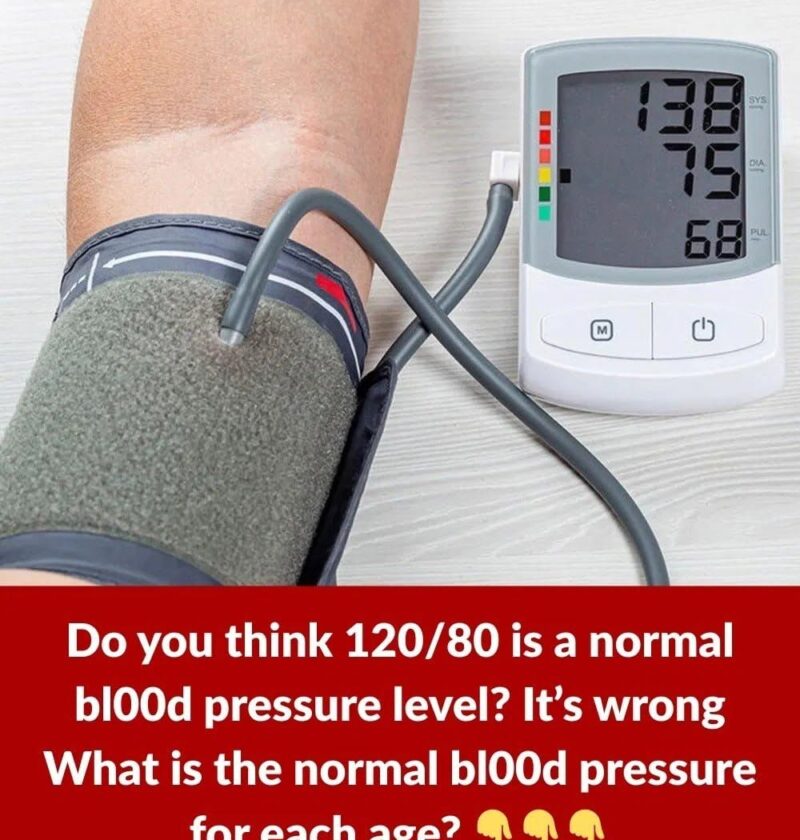
A common mistake is thinking that blood pressure should always rise normally with age. While blood pressure often increases as arteries become less flexible, there is no single “normal” blood pressure number for each age. Health guidelines generally use the same categories for adults, while considering a person’s overall health and medical history.
Typical adult blood pressure categories:
| Age group | Often considered a healthy target (approx.) |
|---|---|
| 18–39 years | Around <120/80 mmHg |
| 40–59 years | Around <120/80 mmHg (individual targets may vary) |
| 60–79 years | Often a goal near <130/80 mmHg for many healthy adults, depending on health status |
| 80+ years | Targets are individualized; many older adults aim for safe control without causing dizziness or falls |
Blood pressure readings are classified as:
- Normal: Below 120/80 mmHg
- Elevated: 120–129 and less than 80
- High blood pressure (Stage 1): 130–139 or 80–89
- High blood pressure (Stage 2): 140 or higher or 90 or higher
- Hypertensive crisis: 180/120 or higher (requires urgent attention, especially with symptoms)
A few important points:
- A single high reading does not always mean hypertension; stress, pain, caffeine, exercise, or poor measurement technique can raise it temporarily.
- Older adults may need a different target if they have conditions such as kidney disease, heart disease, diabetes, or a history of falls.
- Very low blood pressure can also be a problem if it causes dizziness, fainting, or weakness.
For the most accurate reading: sit quietly for 5 minutes, keep feet on the floor, support your arm at heart level, and take multiple readings on different days.
If you share the person’s age and blood pressure reading (for example, 68 years old with 145/85), I can help interpret what it may mean.