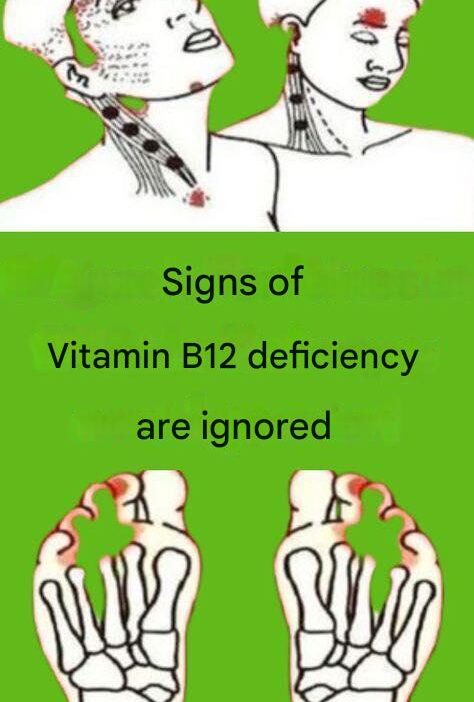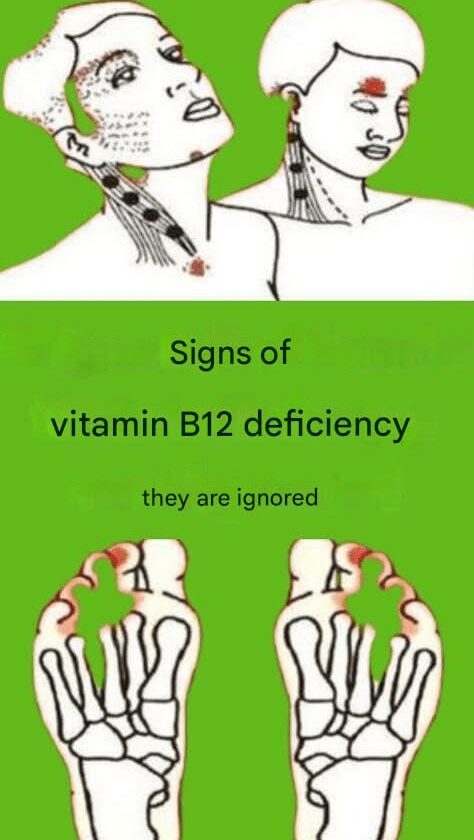
Vitamin B12 deficiency can be easy to overlook because its early symptoms are subtle, and they often get mistaken for stress, aging, or fatigue. When the signs are ignored, the condition can gradually affect the nerves, brain, and blood.
Here are the key signs of vitamin B12 deficiency that are often missed or ignored:
1. Persistent fatigue and weakness
One of the earliest signs. People often assume it’s due to poor sleep, workload, or stress.
2. Pale or slightly yellow skin
This happens because B12 deficiency can reduce red blood cell production (leading to anemia).
3. Tingling or numbness in hands and feet
A classic neurological symptom. It may feel like “pins and needles” or burning sensations.
4. Memory problems or brain fog
Difficulty concentrating, forgetfulness, or feeling mentally “slow” is often misattributed to stress or aging.
5. Mood changes (irritability, depression, anxiety)
Low B12 can affect brain chemicals involved in mood regulation.
6. Balance problems or unsteady walking
Nerve damage from prolonged deficiency can affect coordination.
7. Sore or smooth tongue (glossitis)
The tongue may appear red, swollen, or feel unusually smooth and sore.
8. Shortness of breath or dizziness
Often due to anemia, especially during physical activity.
9. Vision disturbances
Rare but possible—blurred or disturbed vision due to optic nerve involvement.
10. Heart palpitations
The heart may beat faster or irregularly as the body tries to compensate for low oxygen delivery.
Why these signs get ignored
- They develop slowly over months or years
- Symptoms overlap with stress, iron deficiency, or thyroid issues
- Blood levels can sometimes look “borderline normal” early on
If left untreated
Ignoring B12 deficiency for too long can lead to permanent nerve damage, ongoing cognitive issues, and severe anemia.
When to get checked
You should consider testing if you have:
- Ongoing fatigue + numbness/tingling
- Memory or mood changes
- A vegetarian/vegan diet (low B12 intake)
- Stomach or absorption problems (like gastritis or IBS)
If you want, I can also explain early vs late-stage symptoms, or how to increase B12 safely through diet or supplements.