“What Is the Normal Blood Pressure for Each Age?” — The Truth
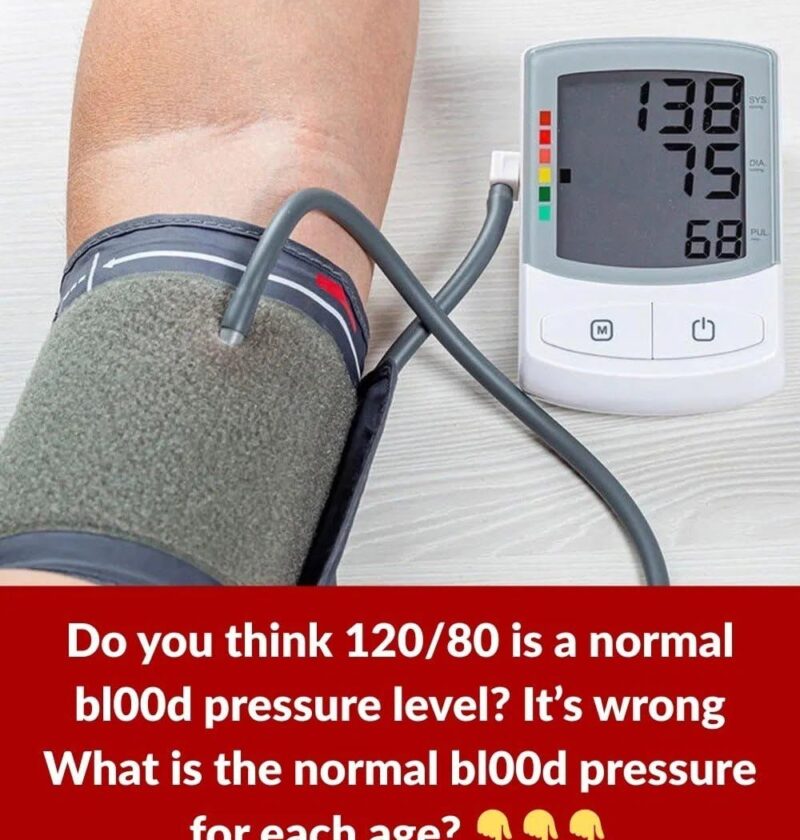
This is a common viral headline, but it’s misleading. There is not a different “normal” blood pressure for every age group. For most adults, healthcare professionals use the same general blood pressure categories, regardless of age.
Blood pressure categories for adults
| Category | Systolic (top number) | Diastolic (bottom number) |
|---|---|---|
| Normal | Less than 120 | and less than 80 |
| Elevated | 120–129 | and less than 80 |
| High blood pressure (Stage 1) | 130–139 | or 80–89 |
| High blood pressure (Stage 2) | 140 or higher | or 90 or higher |
| Hypertensive crisis | 180 or higher | and/or 120 or higher |
If your blood pressure is 180/120 mmHg or higher, especially if you have symptoms such as chest pain, shortness of breath, severe headache, vision changes, or weakness on one side of the body, seek emergency medical care immediately.
Does blood pressure increase with age?
Blood pressure often does rise with age because blood vessels become less elastic. However, that doesn’t mean higher readings are considered “normal” or healthy. High blood pressure still increases the risk of:
- Heart attack
- Stroke
- Kidney disease
- Heart failure
How to measure blood pressure accurately
For the most reliable reading:
- Sit quietly for 5 minutes before measuring.
- Keep both feet flat on the floor.
- Rest your arm at heart level.
- Avoid caffeine, smoking, or exercise for at least 30 minutes beforehand.
- Take two readings about 1 minute apart and record both.
Healthy habits that help
- Eat plenty of fruits, vegetables, whole grains, and lean proteins.
- Limit sodium (salt).
- Stay physically active.
- Maintain a healthy weight.
- Don’t smoke.
- Limit alcohol if you drink.
- Take prescribed blood pressure medication as directed.