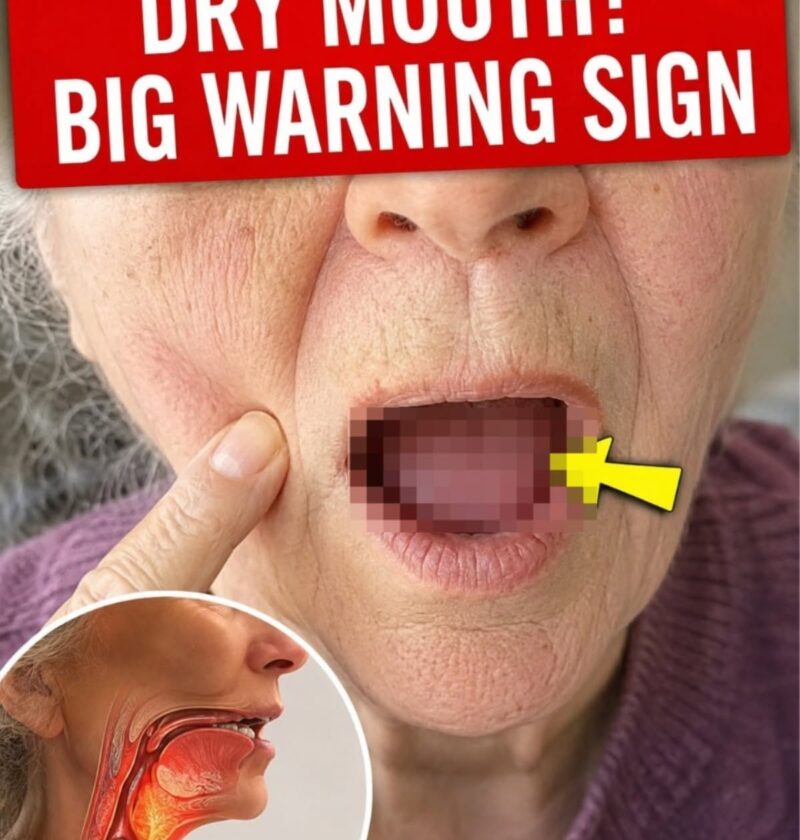
Dry Mouth Every Morning? Don’t Ignore What Your Body Could Be Signaling
Waking up with a dry mouth is common and is often caused by something harmless, but if it happens frequently, it can sometimes point to an underlying health issue.
Common causes
😴 Sleeping with your mouth open
This is one of the most common reasons. It may happen because of:
- Nasal congestion from allergies or a cold
- Snoring
- Sleep apnea
💊 Medications
Many medicines can reduce saliva production, including some:
- Antihistamines
- Antidepressants
- Blood pressure medications
- Diuretics (“water pills”)
- Certain medications for anxiety or overactive bladder
💧 Dehydration
Not drinking enough fluids, sweating heavily, vomiting, or diarrhea can all leave you dehydrated and cause a dry mouth.
☕ Alcohol, caffeine, or tobacco
These can contribute to dry mouth, especially if used in the evening.
🩺 Medical conditions
Persistent dry mouth may be associated with conditions such as:
- Diabetes (especially if accompanied by increased thirst and frequent urination)
- Sjögren syndrome, an autoimmune condition that affects the salivary and tear glands
- Certain neurological conditions
- Previous radiation treatment to the head or neck
Why it matters
Saliva helps:
- Protect your teeth from decay
- Wash away food particles
- Make swallowing and speaking easier
- Reduce the risk of mouth infections
Long-term dry mouth can increase the risk of:
- Cavities
- Gum disease
- Bad breath
- Oral yeast infections
What you can do
- Drink enough water throughout the day.
- Avoid alcohol and limit caffeine close to bedtime if they seem to make symptoms worse.
- Use a humidifier if your bedroom air is very dry.
- Breathe through your nose if possible, and treat nasal congestion if that’s contributing.
- Chew sugar-free gum or suck on sugar-free lozenges to stimulate saliva during the day.
- Maintain good oral hygiene and have regular dental checkups.
When to see a healthcare professional
Arrange an evaluation if:
- Dry mouth occurs most mornings for several weeks.
- You have difficulty swallowing or speaking.
- You develop frequent cavities or mouth sores.
- You have persistent excessive thirst, frequent urination, or unexplained weight loss.
- You snore loudly, stop breathing during sleep, or feel very sleepy during the day, as these can be signs of sleep apnea.