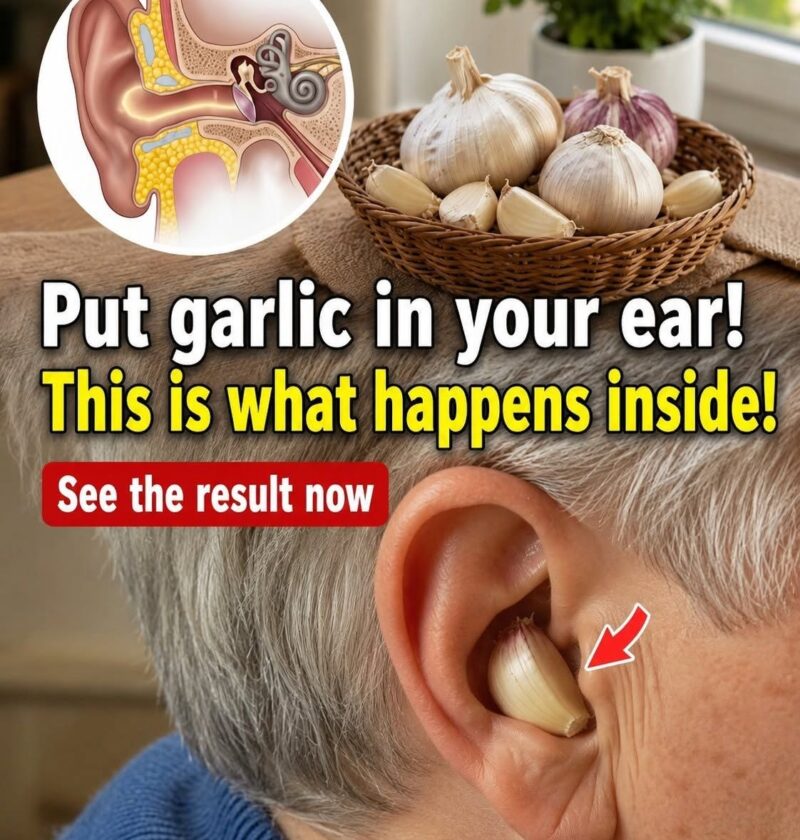
That “Everyone loves garlic, but it has this hidden power…” style line is clickbait—but garlic does have some real, well-studied health effects.
The key food here is Garlic.
What garlic actually does (based on evidence)
- Supports heart health (modest effect)
- Garlic may slightly help lower blood pressure in some people and improve blood vessel function.
- The effect is usually small—not a replacement for medication like blood pressure drugs.
- May help cholesterol levels
- Some studies show a small reduction in LDL (“bad cholesterol”), but results are mixed.
- Has natural anti-inflammatory compounds
- Contains sulfur compounds (like allicin) that may reduce inflammation markers in the body.
- Mild immune support
- It may slightly reduce the frequency or duration of common colds, but it is not a cure or strong preventive treatment.
- Antioxidant properties
- Helps reduce oxidative stress, which is linked to aging and chronic disease.
What garlic does NOT do (important)
- It does not “clean your arteries overnight”
- It does not replace heart or blood pressure medications
- It does not cure infections on its own
- It is not a miracle detox food
Possible downsides
- Can cause heartburn or stomach irritation in some people
- May increase bleeding risk in high amounts (especially with blood thinners)
- Strong odor can persist on breath and skin
- Raw garlic is more potent but also more irritating
Bottom line
Garlic is a healthy food with mild cardiovascular and immune benefits, but its effects are supportive—not dramatic or magical.
If you want, I can also explain:
- Raw vs cooked garlic (which is actually better)
- How much is safe per day
- Or how it compares with garlic supplements vs fresh garlic