Exploring the 10 Metoprolol Side Effects That Are Often Overlooked in Conversations
Metoprolol is a medication in the beta-blocker class. It is commonly prescribed for conditions such as high blood pressure, chest pain (angina), certain heart rhythm problems, and heart failure. It works mainly by slowing the heart rate and reducing the workload on the heart.
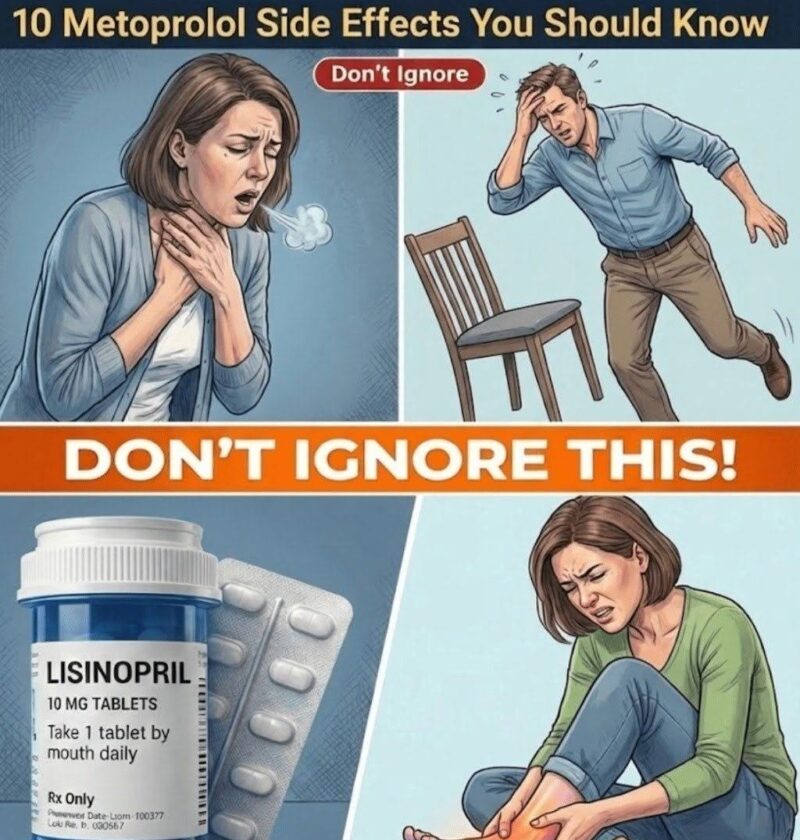
Like all medicines, metoprolol can cause side effects. Many people tolerate it well, but some effects may be less commonly discussed:
- Fatigue or low energy
- Because metoprolol slows the heart rate and reduces the body’s response to adrenaline, some people feel more tired, especially when first starting it or after a dose increase.
- Dizziness or lightheadedness
- Lower blood pressure or a slower heartbeat can make some people feel dizzy, particularly when standing up quickly.
- Slow heart rate
- A lower resting heart rate is expected for many people taking metoprolol, but an unusually slow heartbeat with symptoms such as fainting or severe weakness should be discussed with a healthcare professional.
- Cold hands and feet
- Reduced circulation to the extremities can make fingers and toes feel colder.
- Sleep changes
- Some people report vivid dreams, difficulty sleeping, or changes in sleep patterns.
- Mood changes
- A small number of people report feeling more down or experiencing mood changes while taking beta-blockers.
- Sexual side effects
- Some people may experience reduced libido or erectile difficulties.
- Digestive symptoms
- Nausea, diarrhea, constipation, or stomach discomfort can occur in some users.
- Breathing-related effects
- Beta-blockers can sometimes worsen breathing symptoms in people with asthma or certain lung conditions, so this should be discussed with a doctor.
- Masking signs of low blood sugar
- In people with diabetes, metoprolol may make some warning signs of hypoglycemia (such as a fast heartbeat) less noticeable