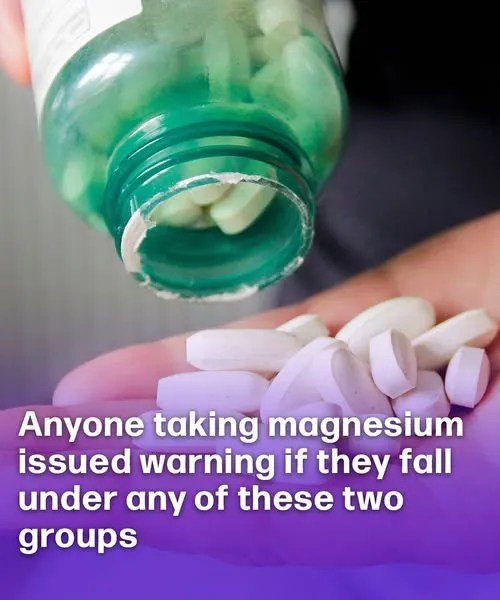
That headline is the kind of phrasing that usually comes from health news sites trying to highlight a real caution, but often without giving the full clinical nuance.
Here’s what “warnings about magnesium supplements” typically refer to in real medical guidance:
What magnesium supplements are generally used for
Magnesium is an essential mineral used for:
- muscle and nerve function
- heart rhythm regulation
- bone health
- preventing deficiency (which is actually uncommon in healthy diets)
The real safety concern: too much magnesium
The main risk isn’t normal dietary magnesium—it’s high-dose supplements, especially in people who can’t clear it well.
High-risk groups doctors commonly warn about:
1. People with kidney disease
- Kidneys remove excess magnesium
- If they don’t work well → magnesium can build up
- This can lead to:
- low blood pressure
- irregular heartbeat
- muscle weakness
- confusion (in severe cases)
2. Older adults or people taking multiple medications
- Reduced kidney function with age is common even if not diagnosed
- Some medications can interact or worsen electrolyte balance
- Higher chance of accidental overuse from multiple supplements
Signs of too much magnesium (hypermagnesemia)
- nausea, flushing
- low blood pressure
- extreme fatigue or weakness
- slowed heart rate
- in severe cases: breathing problems or heart rhythm issues
Important context
- Magnesium from food (nuts, grains, leafy greens) is very safe.
- Problems almost always come from supplement overuse or kidney impairment, not normal intake.
- Most healthy adults don’t need high-dose magnesium pills unless advised.
Bottom line
Magnesium isn’t dangerous by default—the warning is about specific people + high doses, not everyday nutrition.
If you want, I can also explain:
- safe daily upper limits for supplements
- or whether magnesium actually helps sleep, cramps, or anxiety (the evidence is mixed in some cases)