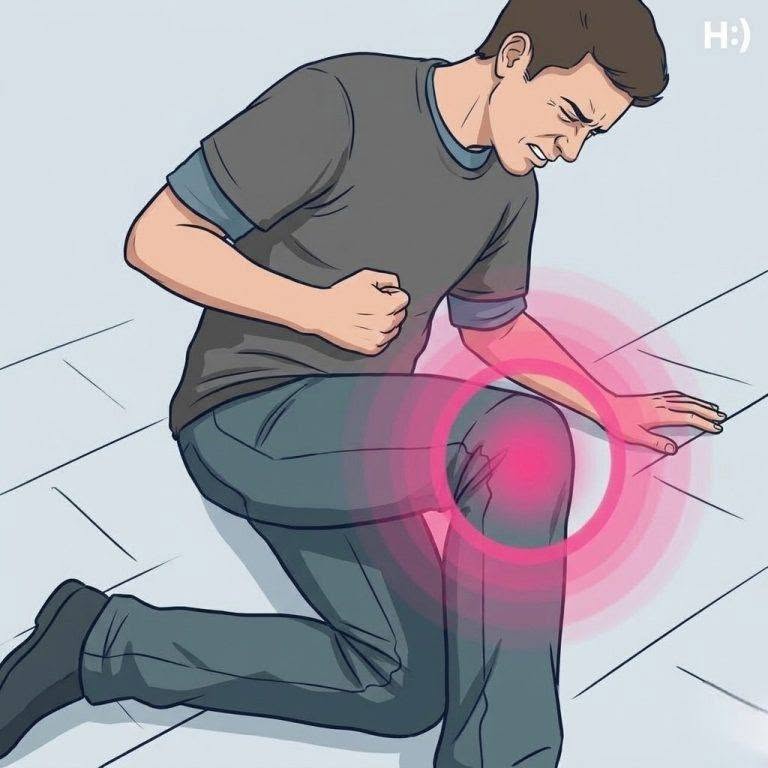
Yes. Hip pain can be a symptom of several different issues, including:
- Poor posture that places extra stress on the hips and lower back
- Muscle imbalances or weakness in the glutes, hip flexors, or core muscles
- Overuse injuries from repetitive activities such as running, cycling, or prolonged standing
- Inflammation of muscles, tendons, bursae, or joints
- Reduced mobility or stiffness that can develop with age or inactivity
- Arthritis, including Osteoarthritis
- Nerve-related conditions such as Sciatica
- Injuries such as strains, sprains, or fractures
Common self-care measures for mild hip discomfort include:
- Gentle stretching and mobility exercises
- Strengthening the glutes and core
- Avoiding activities that worsen the pain
- Maintaining good posture
- Using ice or heat as appropriate
Seek medical evaluation if hip pain:
- Is severe or follows an injury
- Causes difficulty walking or bearing weight
- Persists for more than a few weeks
- Is accompanied by fever, swelling, redness, or unexplained weight loss
Because hip pain can arise from many different causes, the location of the pain (front, side, buttock, or groin), your age, activity level, and any associated symptoms can provide important clues about what’s causing it.