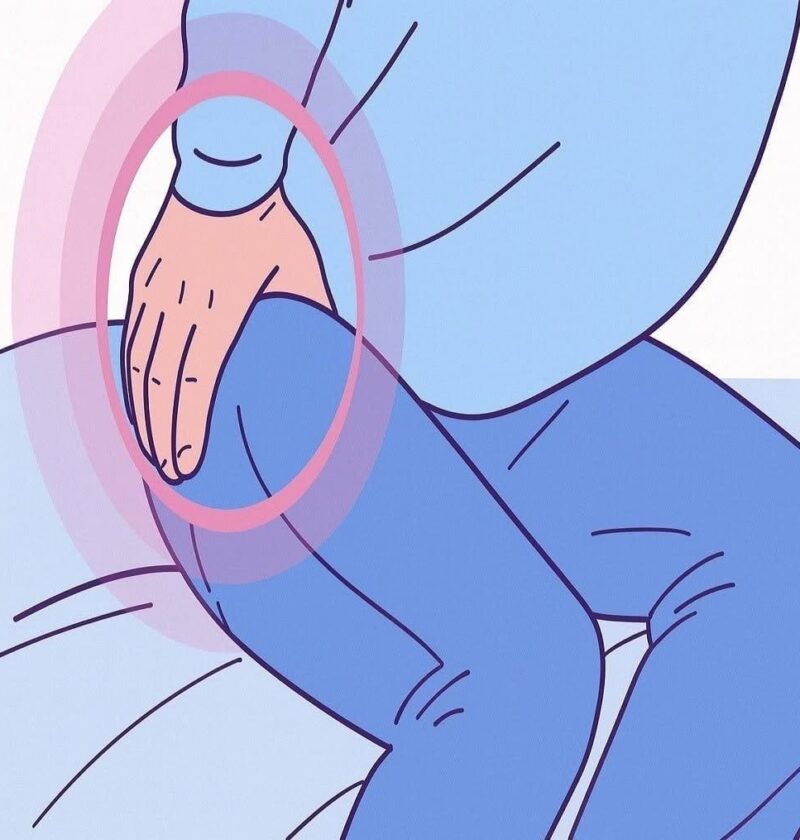
Hip Pain: What Does It Mean? 🦴
Hip pain is common and can happen for many reasons. Sometimes it comes from a temporary strain, while other times it may be related to the hip joint, surrounding muscles, nerves, or other health conditions.
Common causes of hip pain include:
🦵 Muscle or tendon strain
Overuse, exercise, lifting, or sudden movements can irritate the muscles and tendons around the hip.
🦴 Arthritis
Wear and tear in the hip joint can cause pain, stiffness, reduced range of motion, and discomfort while walking or standing.
🔥 Bursitis
Inflammation of the small fluid-filled sacs that cushion the hip can cause pain on the outside of the hip, especially when lying on that side.
🏃 Injuries or falls
Sprains, fractures, or joint injuries can lead to sudden or severe hip pain.
🧠 Nerve-related problems
Pain from the lower back or irritated nerves can sometimes travel into the hip, buttock, or leg.
⚖️ Lifestyle factors
Long periods of sitting, poor posture, sudden changes in activity, or extra strain on the joints can contribute to discomfort.
Where you feel the pain can provide clues:
📍 Groin pain: May involve the hip joint itself.
📍 Outer hip pain: Often linked to muscles, tendons, or bursae.
📍 Buttock or back-of-hip pain: May involve the spine or surrounding muscles.
Ways to support hip health:
✔ Stay active with low-impact exercises like walking or swimming.
✔ Strengthen the muscles around your hips and core.
✔ Maintain a healthy weight to reduce joint stress.
✔ Avoid sitting in one position for long periods.
✔ Use proper technique when lifting.
Seek medical advice if you have:
⚠️ Severe pain after a fall or injury
⚠️ Inability to put weight on your leg
⚠️ Sudden swelling, redness, or warmth
⚠️ Fever with hip pain
⚠️ Pain that keeps worsening or does not improve
Hip pain is a symptom, not a diagnosis. Finding the cause is the key to choosing the right treatment.