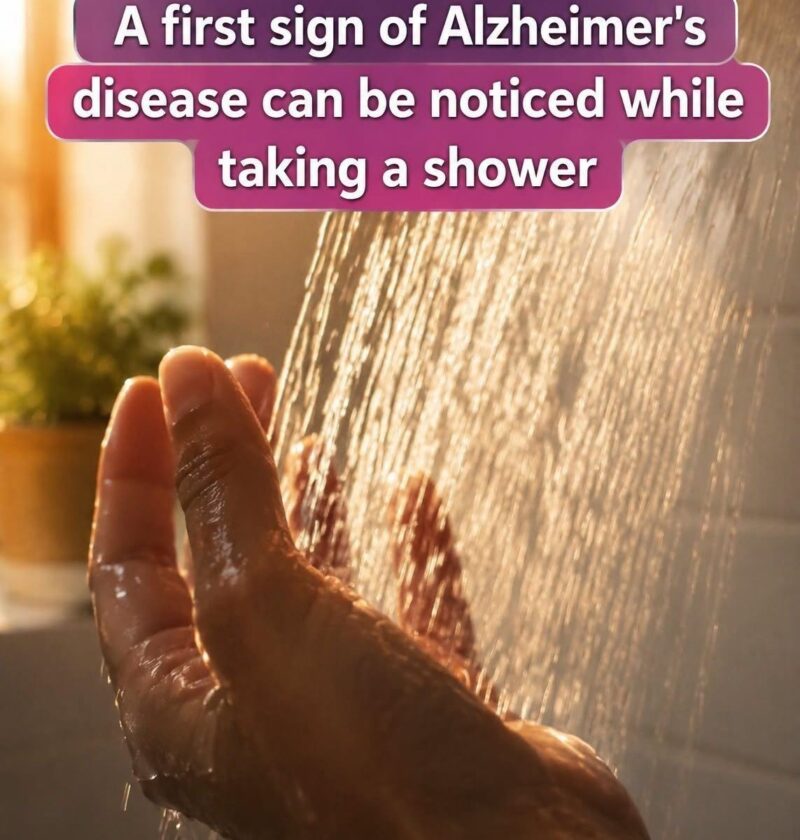
Headlines like “How This Sign During Showering May Signal Early Alzheimer’s Disease” are often written to attract clicks. There is no single sign during showering that can reliably indicate early Alzheimer’s disease.
That said, changes in how a person manages bathing can sometimes be an early clue that something is affecting thinking or daily functioning. For example, someone may:
- Forget the sequence of steps (e.g., washing, rinsing, drying).
- Forget whether they have already showered.
- Have trouble using familiar products like shampoo or soap correctly.
- Become confused or overwhelmed by a task that was previously routine.
These changes are not specific to Alzheimer’s disease. They can also be caused by:
- Normal aging
- Depression or anxiety
- Medication side effects
- Vision or hearing problems
- Other neurological conditions
Early Alzheimer’s disease more commonly involves:
- Persistent memory problems that interfere with daily life
- Difficulty planning or solving familiar problems
- Trouble finding words or following conversations
- Getting lost in familiar places
- Poor judgment or noticeable personality changes
If someone develops new, persistent changes in memory or their ability to carry out everyday tasks, it’s a good idea to have them evaluated by a healthcare professional. Early assessment can help identify the cause, and some causes of cognitive decline are treatable or reversible.
A single change in showering habits does not mean someone has Alzheimer’s disease, but if it occurs alongside other cognitive symptoms, it is worth discussing with a healthcare provider.