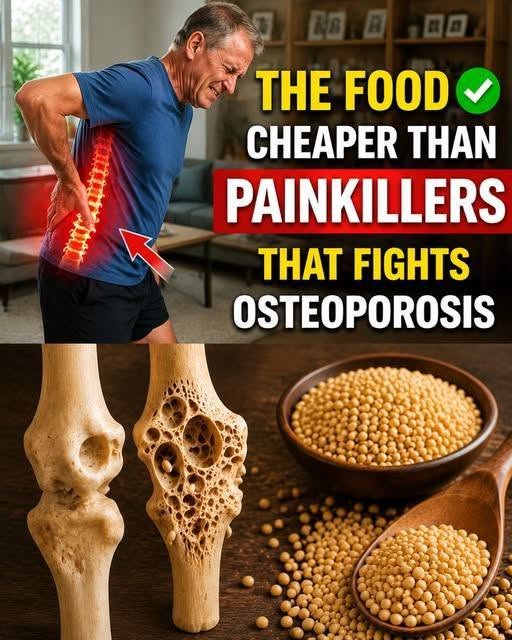
Headlines like “The cheapest food to fight osteoporosis after 60” are usually misleading. No single food can prevent or treat osteoporosis on its own. Bone health depends on an overall pattern of nutrition, physical activity, and, for some people, medication.
Some inexpensive foods that support bone health include:
- Milk, yogurt, and cheese (if you consume dairy): Good sources of calcium and often vitamin D if fortified.
- Fortified plant milks: Choose products fortified with calcium and vitamin D.
- Canned sardines or salmon with the bones: Rich in calcium and provide vitamin D and protein.
- Leafy greens (such as kale and bok choy): Contain calcium, though some greens are better absorbed than others.
- Beans and lentils: Provide protein and minerals that support overall health.
- Tofu made with calcium sulfate: Can be a good source of calcium.
- Eggs: Provide protein and small amounts of vitamin D.
To help reduce the risk of osteoporosis after age 60:
- Aim to get enough calcium, vitamin D, and protein.
- Do weight-bearing and muscle-strengthening exercises regularly, if appropriate for your health.
- Avoid smoking and limit excessive alcohol.
- If you’re at increased risk, discuss bone density screening with your healthcare provider.
If you’ve already been diagnosed with osteoporosis, diet is still important, but it does not replace prescribed treatments when they’re recommended to reduce fracture risk.
If you’re interested in a low-cost meal plan that supports bone health, I can help create one.