How to Make a Homemade Herbicide (Safer Weed-Control Options)
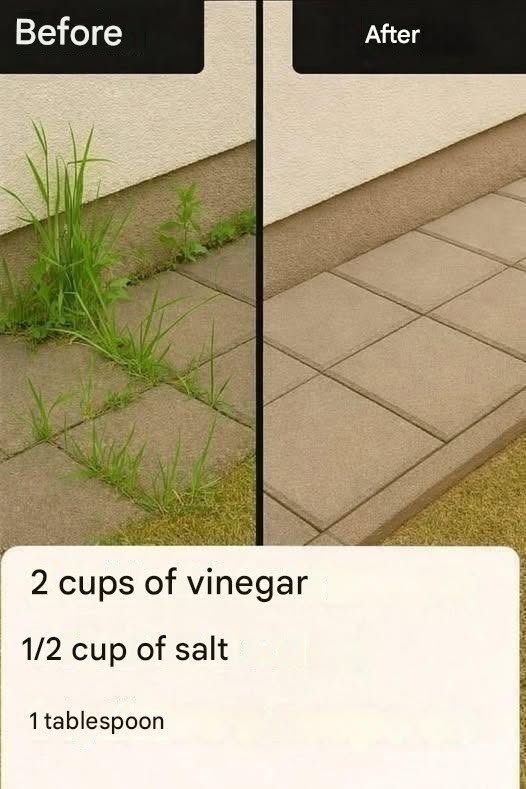
Many homemade weed-killer recipes are shared online, but it’s important to know that most only burn the visible leaves and may not kill deep roots. Some ingredients can also damage soil and nearby plants if used carelessly.
Option 1: Vinegar-based weed spray (for cracks and hard surfaces)
Ingredients:
- 1 gallon (about 4 liters) white vinegar
- 1–2 tablespoons dish soap
How to use:
- Mix the ingredients in a spray bottle or garden sprayer.
- Spray directly onto weed leaves on a dry, sunny day.
- Avoid spraying desirable plants, grass, flowers, or vegetable beds.
How it works:
- Vinegar’s acidity can damage leaf tissue.
- Dish soap helps the liquid stick to the leaves.
Option 2: Smother weeds naturally
For garden beds and larger areas:
- Apply a thick layer of mulch (wood chips, straw, or leaves).
- Remove weeds before they produce seeds.
- Use ground-cover plants to reduce open space where weeds grow.
Important cautions:
- Salt-based weed recipes can kill weeds but may permanently damage soil and make it difficult for plants to grow in that area.
- Strong vinegar products can irritate skin and eyes—use gloves and avoid contact.
- Do not use homemade sprays near ponds, streams, or areas where runoff could affect other plants.
For lawns, vegetable gardens, flower beds, or invasive weeds with deep roots, the best method may be different because you want to remove weeds without harming the plants you want to keep.