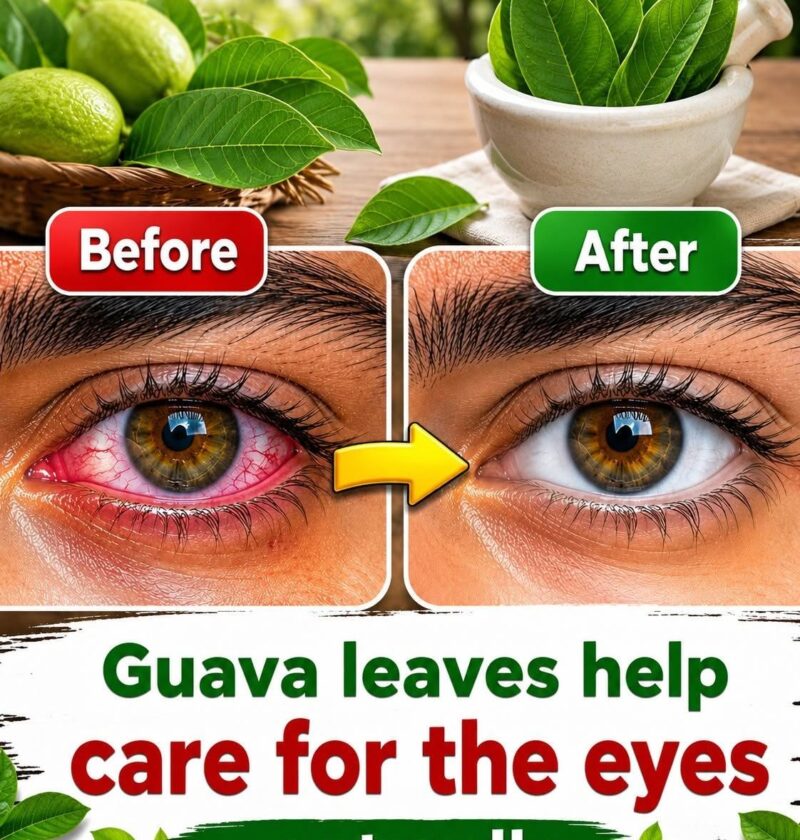
Guava can be a nutritious addition to a diet that supports eye health, but it’s important to keep expectations realistic: no single food can prevent vision loss or cure eye diseases. Good eye health comes from an overall healthy diet, regular eye exams, and managing conditions like diabetes or high blood pressure.
Here’s how guava may help:
- Rich in vitamin C: Guava is one of the richest natural sources of vitamin C, an antioxidant that helps protect eye tissues from oxidative damage and supports healthy blood vessels in the eyes.
- Contains vitamin A precursors: The fruit provides carotenoids, including beta-carotene, which the body can convert to vitamin A. Vitamin A is important for normal vision, especially in low light.
- Provides antioxidants: Guava contains compounds such as lycopene (especially in pink-fleshed varieties) and other antioxidants that may help protect eye cells from damage.
- Supports overall health: Its fiber and nutrients can contribute to better blood sugar control as part of a balanced diet, which is beneficial because long-term high blood sugar can damage the eyes.
To include guava in your diet:
- Eat 1 medium fresh guava as a snack or with breakfast.
- Add sliced guava to fruit salads or yogurt.
- Blend fresh guava into a smoothie without adding excess sugar.
- Eat the edible peel as well, since it contains additional fiber and nutrients.
For the best support for vision, combine guava with other nutrient-rich foods:
- Dark leafy greens (rich in lutein and zeaxanthin)
- Orange vegetables like carrots and sweet potatoes (beta-carotene)
- Fatty fish such as salmon or sardines (omega-3 fatty acids)
- Eggs, nuts, and seeds (vitamin E, zinc, and healthy fats)
If you already have an eye condition such as Age-related macular degeneration, Glaucoma, or Diabetic retinopathy, dietary changes can support overall health but are not a substitute for treatment. Regular eye examinations and following your eye care professional’s recommendations remain essential.