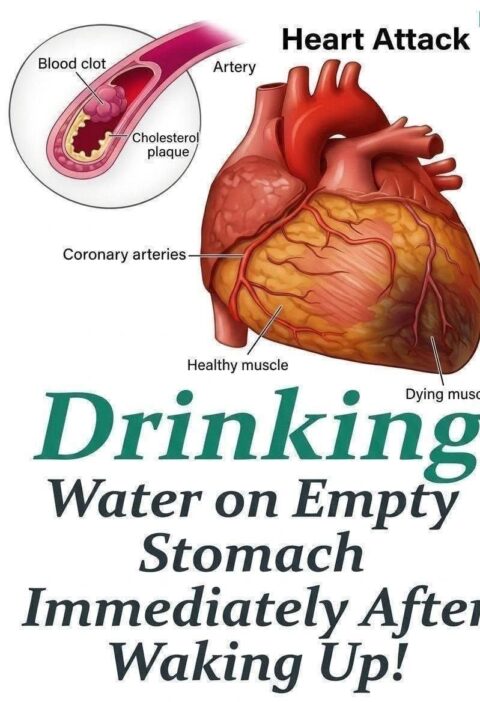
If you think you are having a heart attack at home, there is no guaranteed 10-second trick that can stop it, but acting quickly can greatly improve your chances.
Do this immediately:
- Call emergency services (such as 1122/911 depending on your location). Put the phone on speaker if you are alone.
- Sit down and rest (preferably upright). Do not walk around or try to “push through” the symptoms.
- Unlock your door if you can do so safely, so responders can enter.
- Chew an aspirin (160–325 mg) if you are not allergic, have not been told to avoid aspirin, and there is no active bleeding. Chewing helps it work faster.
- If you have been prescribed nitroglycerin for chest pain, use it exactly as directed.
Possible heart attack symptoms include:
- Chest pressure, squeezing, or pain
- Pain spreading to the arm, jaw, back, or shoulder
- Shortness of breath
- Cold sweat, nausea, or sudden weakness
If a person becomes unconscious and is not breathing normally, someone nearby should start CPR and use an AED if available.
Be cautious with viral advice claiming a special cough, breathing technique, or “10-second method” can save you during a heart attack—those claims are not a substitute for emergency medical care.