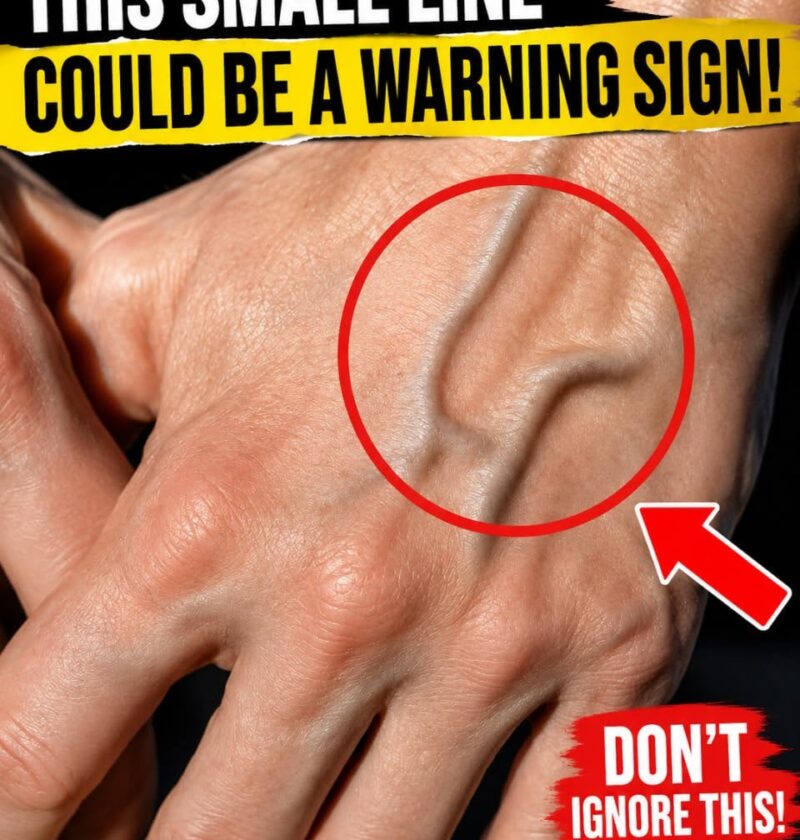
That’s a clickbait-style unfinished claim, and by itself it’s misleading. Visible veins can mean many different things depending on context—they are not a sign of one specific condition or trait.
Here are accurate, clearer alternatives:
- Visible Veins: What They Can Actually Indicate About Your Body
- Why Your Veins Look More Visible—and When It’s Normal
- Are Prominent Veins a Health Concern? Here’s the Truth
- Visible Veins Explained: Fitness, Aging, and Medical Causes
The facts
Visible veins are usually influenced by normal factors such as:
- Low body fat (veins show more through the skin)
- Exercise and muscle pump (temporary increase in blood flow)
- Heat or warm weather (veins expand)
- Aging (skin becomes thinner over time)
- Genetics (some people naturally have more visible veins)
When it might matter medically
Sometimes visible veins can be linked to conditions like:
- Varicose veins (bulging, painful, or heavy-feeling veins)
- Venous insufficiency (poor blood return from the legs)
Key takeaway
Visible veins are often normal and harmless, especially in healthy or active people. They only become a concern if they are painful, swollen, changing, or associated with skin discoloration.
If you want, I can turn this into a viral but accurate script or headline set for social media.