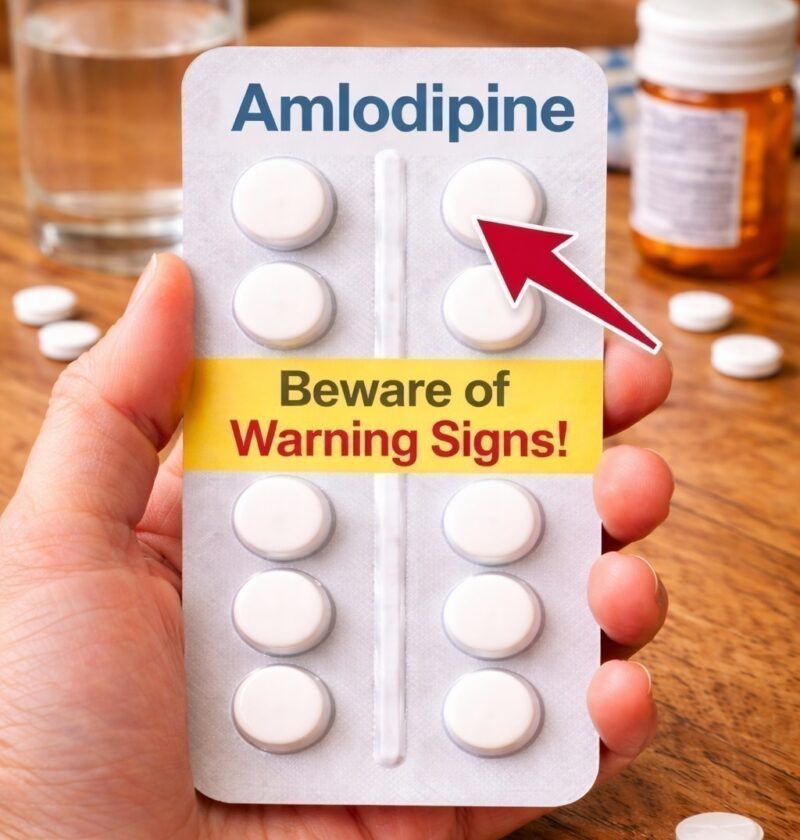
If you take Amlodipine for high blood pressure or angina, some everyday habits can make the medication less effective or increase side effects like swelling, dizziness, headaches, or low blood pressure.
Here are 8 habits worth stopping or reducing — and why:
- Skipping doses or taking it inconsistently
Amlodipine works best when taken regularly. Missing doses can cause blood pressure to rise again, increasing strain on the heart and blood vessels. - Eating a very high-salt diet
Too much sodium can counteract the blood-pressure-lowering effects of amlodipine. Processed foods, instant noodles, chips, and fast food are common culprits. - Drinking excessive alcohol
Alcohol can amplify dizziness and lightheadedness because both alcohol and amlodipine lower blood pressure. - Stopping the medication suddenly without medical advice
Abruptly quitting may lead to rebound high blood pressure or worsening chest pain in some people. - Ignoring ankle or foot swelling
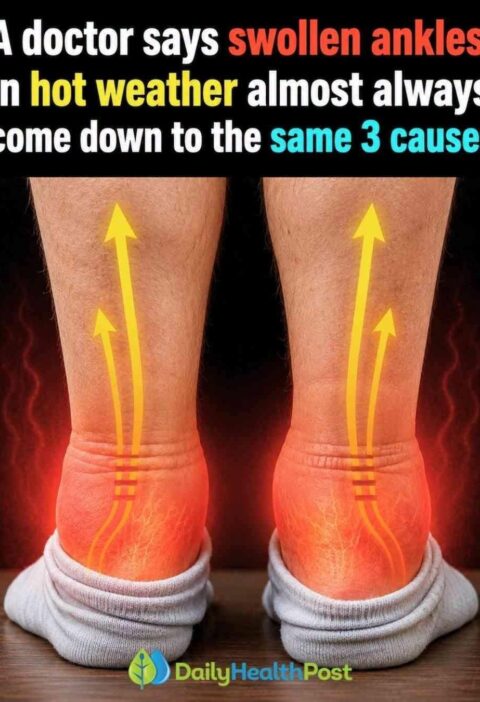
Swelling (edema) is a common side effect of amlodipine. Don’t assume it’s harmless if it becomes significant or painful — it may need dose adjustment or another medication added. - Using NSAID painkillers too often without checking first
Medicines like Ibuprofen and Naproxen can sometimes worsen blood pressure control and affect kidney function, especially in people with hypertension. - Getting up too quickly from bed or chairs
Amlodipine may cause dizziness in some people, especially when starting treatment. Standing slowly can help prevent falls or fainting. - Smoking
Smoking damages blood vessels and increases cardiovascular risk, working directly against the reason amlodipine was prescribed in the first place.
A few additional things to keep in mind:
- Check blood pressure regularly.
- Stay hydrated, especially in hot weather.
- Tell your doctor about all supplements and medications you take.
- Contact a healthcare professional if you develop severe dizziness, chest pain, rapid heartbeat, or worsening swelling.
For official medication information, see: