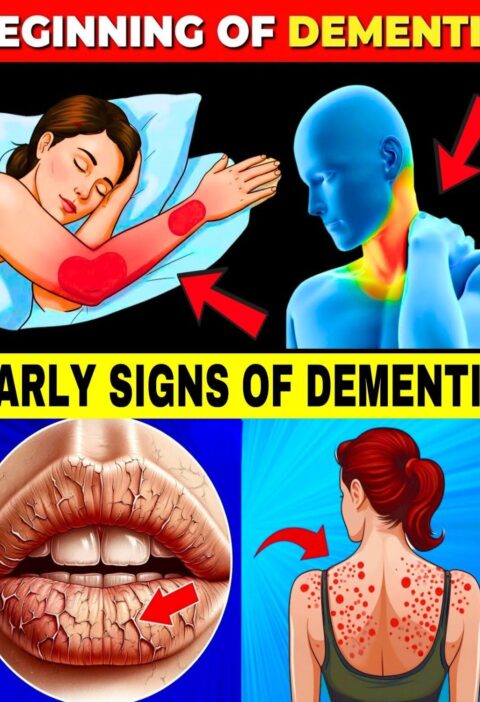
It looks like you’re sharing a headline. If you’re asking whether it’s true, here’s the context:
Vitamin D is generally safe when taken at recommended doses, but too much vitamin D (usually from excessive supplements, not sunlight or normal food intake) can cause vitamin D toxicity, which raises calcium levels in the blood (hypercalcemia). Doctors may advise stopping supplements and seeking medical advice if symptoms suggest this problem.
Symptoms that can occur with excessive vitamin D intake include:
- Nausea, vomiting, or loss of appetite
- Unusual thirst and frequent urination
- Weakness, fatigue, confusion, or dizziness
- Kidney-related symptoms, such as flank pain or possible kidney stones
If someone is taking high-dose vitamin D (for example, large weekly or daily doses) and develops these symptoms, they should contact a healthcare professional rather than continuing the supplement.
For most adults, vitamin D supplements are only a concern when taken in excessive amounts over time. The appropriate dose depends on factors such as age, blood levels, medical conditions, and why it is being taken. A blood test (25-hydroxyvitamin D) can help determine whether supplementation is needed.
If you share the dose of vitamin D you’re taking (IU per day or week) and the symptoms you’re concerned about, I can help put the risk into perspective.