If You Notice Your Legs Are Swollen, What Could It Mean?
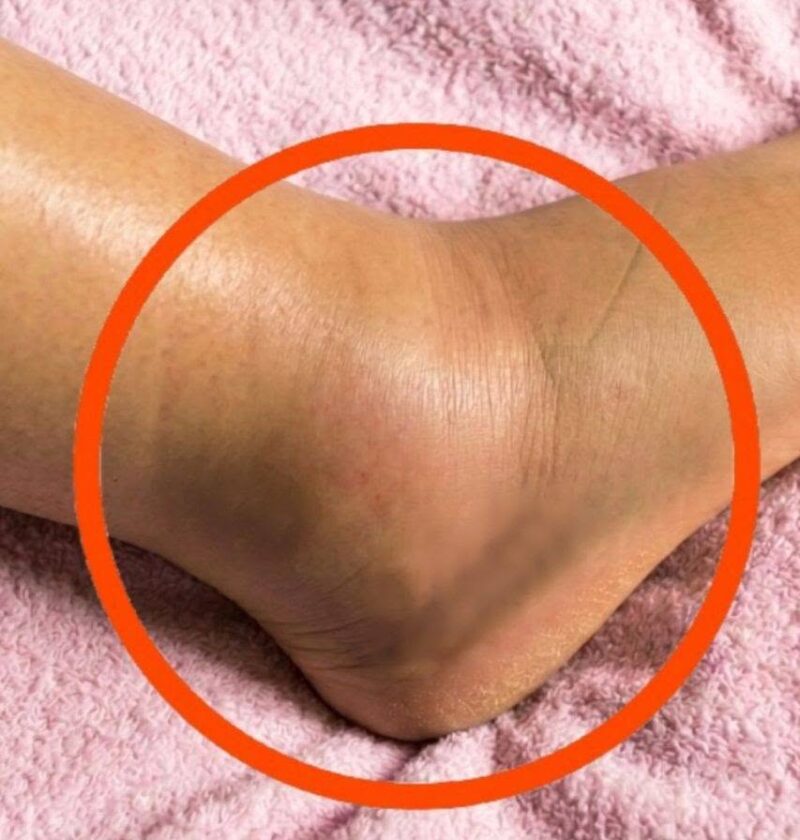
Swollen legs, ankles, or feet are common and can have many causes. Sometimes the swelling is temporary and harmless, but in other cases it may be a sign of an underlying medical condition that needs attention.
1. Fluid Build-Up (Oedema)
The most common cause is oedema, which occurs when excess fluid collects in the tissues.
It can happen after:
- Standing or sitting for long periods
- Hot weather
- Long flights or car journeys
- Eating a high-salt diet
Mild swelling often improves with movement and elevating the legs.
2. Chronic Venous Insufficiency
If the veins in your legs don’t return blood efficiently to the heart, blood can pool in the lower legs.
Symptoms may include:
- Swollen ankles that worsen during the day
- Aching or heavy legs
- Varicose veins
- Skin changes around the ankles
3. Heart Problems
Swelling in both legs can sometimes be a sign that the heart isn’t pumping blood effectively, such as in heart failure.
Other symptoms may include:
- Shortness of breath
- Fatigue
- Difficulty lying flat because of breathlessness
- Rapid weight gain from fluid retention
This requires prompt medical evaluation.
4. Kidney Disease
The kidneys help regulate the body’s fluid balance. If they aren’t working properly, fluid can build up in the legs.
Other signs may include:
- Puffiness around the eyes
- Changes in urination
- Fatigue
- High blood pressure
5. Liver Disease
Liver conditions can reduce the production of proteins that help keep fluid inside blood vessels, leading to swelling in the legs and abdomen.
6. Blood Clot (Deep Vein Thrombosis)
A deep vein thrombosis (DVT) is a blood clot in a deep vein, usually in one leg.
Symptoms often include:
- Swelling in one leg
- Pain or tenderness
- Warmth
- Red or discoloured skin
A DVT needs urgent medical assessment because the clot can travel to the lungs.
7. Certain Medications
Some medicines can cause leg swelling as a side effect, including certain:
- Blood pressure medications
- Steroids
- Hormonal medications
- Anti-inflammatory medicines
Do not stop a prescribed medication without speaking to your healthcare provider.
Simple Ways to Reduce Mild Swelling
If the swelling is not due to a serious medical condition, these measures may help:
- Elevate your legs above heart level when resting.
- Walk regularly and avoid sitting or standing for long periods.
- Stay hydrated.
- Limit excess salt in your diet.
- Wear compression stockings if recommended by a healthcare professional.
When to Seek Urgent Medical Care
Get immediate medical attention if leg swelling is:
- Sudden, severe, or affects only one leg
- Accompanied by chest pain or shortness of breath
- Associated with a painful, warm, or red leg
- Accompanied by fever or signs of infection
You should also arrange a medical evaluation if swelling is persistent, keeps returning, or is accompanied by unexplained weight gain or other concerning symptoms.