Part 1: Understanding Why Your Scalp Itches and What May Be Triggering It
(Original, Copyright-Free, SEO-Optimized Health Content)
Does Your Scalp Feel Constantly Itchy?
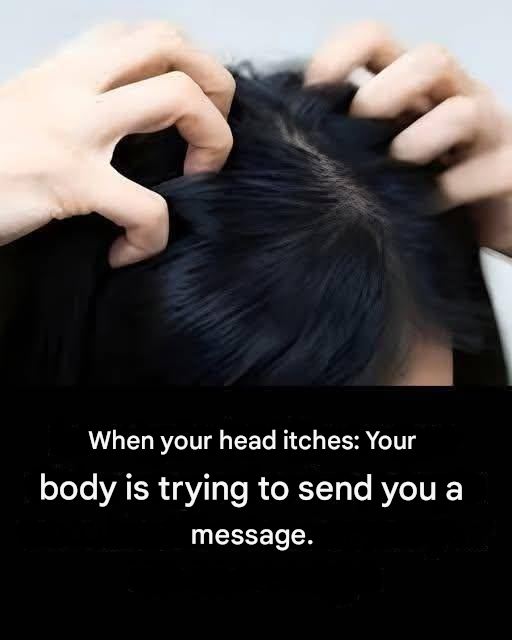
An itchy scalp is one of the most common hair and skin concerns experienced by people of all ages. For some, the irritation is occasional and mild. For others, it can become a persistent annoyance that interferes with daily comfort, concentration, and even sleep.
Many people immediately assume dandruff is the culprit, but scalp itching can have a variety of causes. Everything from dry skin and product buildup to skin conditions and environmental factors can contribute to discomfort.
Understanding the possible reasons behind an itchy scalp is the first step toward finding an appropriate solution.
Why Scalp Health Matters
The scalp is skin, and like skin elsewhere on the body, it can react to irritation, inflammation, dryness, allergens, and changes in the environment.
A healthy scalp helps support:
- Comfortable skin function
- Healthy-looking hair
- Balanced oil production
- Protection from environmental stressors
When the scalp becomes irritated, itching may occur as a signal that something is disrupting this balance.
1. Dandruff: One of the Most Common Causes
Dandruff is a frequent reason people experience scalp itching.
Common signs include:
- White or yellow flakes
- Itching
- Scalp irritation
- Flaking on clothing
Dandruff can be influenced by several factors, including oil production, skin sensitivity, and the presence of naturally occurring scalp microorganisms.
Although dandruff is common, persistent symptoms may benefit from professional evaluation.
2. Dry Scalp
Dry scalp occurs when the skin lacks sufficient moisture.
Possible contributing factors include:
- Cold weather
- Low humidity
- Frequent washing
- Harsh hair products
- Excessive heat styling
Symptoms may include:
- Tightness
- Flaking
- Mild irritation
- Itching
Dry scalp and dandruff can appear similar, but they are not always the same condition.
3. Product Buildup and Hair Care Products
Hair sprays, gels, oils, dry shampoos, and styling products can accumulate over time.
Excess buildup may:
- Irritate the scalp
- Trap oils and debris
- Cause itching
- Leave hair feeling heavy
In some cases, ingredients in hair products may trigger sensitivity or irritation in susceptible individuals.
4. Seborrheic Dermatitis
Seborrheic dermatitis is a common inflammatory skin condition that can affect the scalp.
Symptoms may include:
- Redness
- Greasy scales
- Persistent itching
- Flaking
This condition can vary in severity and may require guidance from a healthcare professional for proper management.
5. Allergic Reactions and Contact Dermatitis
The scalp can react to ingredients found in:
- Hair dye
- Shampoo
- Conditioner
- Styling products
- Fragrances
This reaction is known as contact dermatitis.
Common signs include:
- Itching
- Redness
- Burning sensations
- Rash-like irritation
Patch testing may sometimes help identify specific triggers.
6. Psoriasis of the Scalp
Scalp psoriasis is a chronic skin condition that causes skin cells to build up more rapidly than normal.
Possible symptoms include:
- Thick patches
- Silvery scales
- Itching
- Dryness
Because psoriasis can resemble other scalp conditions, professional diagnosis is often important.
7. Environmental Factors
Your surroundings can influence scalp comfort.
Common contributors include:
Dry Indoor Air
Heating systems can reduce humidity levels.
Sun Exposure
Excessive sun exposure may irritate the scalp.
Pollution
Environmental pollutants may contribute to irritation in some individuals.
8. Stress and Scalp Sensitivity
Stress can affect many aspects of health, including skin comfort.
Some people notice increased scalp sensitivity during periods of:
- Emotional stress
- Anxiety
- Sleep disruption
While stress may not directly cause every scalp condition, it can sometimes worsen existing symptoms.
9. Head Lice
Although often associated with school-age children, head lice can affect people of various ages.
Common symptoms include:
- Persistent itching
- Tickling sensations
- Visible nits or lice
If lice are suspected, prompt treatment and household management are important.
10. Fungal Infections
Certain fungal infections can affect the scalp and may cause:
- Itching
- Scaling
- Hair loss in affected areas
These conditions typically require medical evaluation and treatment.
When Should You Seek Medical Advice?
While occasional itching is common, professional evaluation may be appropriate if you experience:
- Severe itching
- Persistent symptoms
- Pain
- Bleeding
- Hair loss
- Signs of infection
- Symptoms that do not improve
A healthcare professional or dermatologist can help determine the underlying cause.
Simple Habits That May Support Scalp Comfort
Use Gentle Hair Products
Choose products suitable for your hair and scalp type.
Avoid Excessive Scratching
Frequent scratching may worsen irritation.
Wash Hair Appropriately
Avoid both over-washing and under-washing.
Stay Hydrated
Hydration supports overall skin health.
Protect the Scalp From Excessive Sun Exposure
Hats and shade may help when spending long periods outdoors.
Common Myths About Itchy Scalp
Myth: Itching Always Means Poor Hygiene
Fact: Many scalp conditions occur regardless of cleanliness.
Myth: Dandruff Is the Only Cause
Fact: Numerous conditions can cause scalp itching.
Myth: Scratching Solves the Problem
Fact: Scratching often increases irritation and may damage the skin.
The Bottom Line
An itchy scalp is a symptom, not a diagnosis. Causes can range from simple dryness and product buildup to more complex skin conditions.
Understanding potential triggers can help you make informed decisions about scalp care and determine when professional advice may be beneficial.
See More
Sometimes a persistent itch is your scalp’s way of signaling that something needs attention. Identifying the underlying cause is often the most important step toward long-term comfort.
Part 2: Simple Soothing Scalp Mask
Oatmeal and Aloe Scalp Comfort Mask
Ingredients
- 2 tablespoons finely ground oatmeal
- 2 tablespoons pure aloe vera gel
- 1 tablespoon water
Instructions
- Mix the oatmeal, aloe vera gel, and water in a small bowl.
- Stir until a smooth paste forms.
- Apply gently to the scalp.
- Leave on for 10–15 minutes.
- Rinse thoroughly with lukewarm water.
- Wash hair as usual.
Preparation Time
5 minutes
Use
Occasional scalp-soothing treatment for those who tolerate the ingredients.