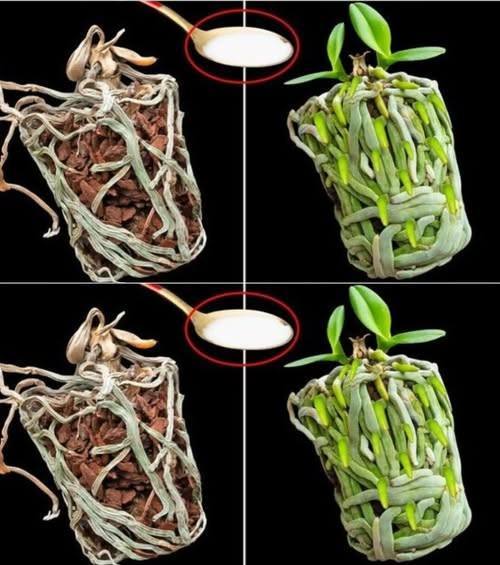
Is Your Orchid Looking Dry, Weak, or Rootless?
Orchids are among the most popular flowering houseplants in the world. Their elegant blooms and long flowering periods make them a favorite among indoor gardeners. However, many orchid owners eventually face a common problem: the plant stops growing, roots begin to dry out, and the leaves lose their healthy appearance.
When an orchid starts to decline, it can be tempting to search for miracle solutions. Social media posts often claim that “just one spoonful” of a certain ingredient can instantly revive a dying orchid. In reality, healthy orchid recovery depends on proper care, environmental conditions, and patience.
The good news is that even orchids with damaged or reduced root systems can sometimes recover when given the right growing conditions. Understanding how orchid roots function is the first step toward helping your plant thrive again.
Why Orchid Roots Are So Important
Unlike many common houseplants, orchids have unique root systems.
Healthy orchid roots perform several important functions:
- Absorb moisture from the environment
- Take in nutrients
- Anchor the plant
- Store water reserves
- Support healthy leaf and flower growth
When roots become damaged, the entire plant can struggle.
Common signs of root problems include:
- Yellowing leaves
- Wrinkled foliage
- Slow growth
- Flower loss
- Soft or rotting roots
- Dry, brittle roots
Because roots are the foundation of orchid health, successful care focuses on creating conditions that support new root development.
What Causes Orchids to Lose Their Roots?
Several factors may contribute to declining root health.
Overwatering
One of the most common orchid-care mistakes is excessive watering.
When roots remain constantly wet, oxygen levels decrease and root rot can develop.
Poor Drainage
Orchids require specialized growing media that allow air to circulate around the roots.
Dense soil can trap moisture and damage roots.
Low Humidity
Many orchids originate from tropical environments and may struggle in very dry indoor air.
Insufficient Light
Orchids need adequate indirect light to support healthy growth and root development.
Aging Potting Medium
Over time, bark-based orchid mixes break down and may retain too much moisture.
The “One Spoon” Gardening Secret Many Orchid Growers Discuss
Many orchid enthusiasts use small amounts of natural amendments such as diluted organic plant nutrients, compost extracts, or specialized orchid fertilizers to support growth.
However, there is no scientifically proven single spoonful ingredient that guarantees new root growth.
What actually helps orchids recover is:
- Proper watering
- Good air circulation
- Appropriate humidity
- Adequate light
- Balanced nutrition
- Healthy growing media
Any supplement works best when these conditions are already in place.
Creating the Ideal Environment for New Orchid Roots
Bright Indirect Light
Place orchids near:
- East-facing windows
- Bright filtered sunlight
- Sheer-curtained windows
Avoid prolonged harsh afternoon sun that may damage leaves.
Proper Humidity
Many orchids appreciate humidity levels between 40% and 70%.
You can help maintain humidity by:
- Using a humidifier
- Grouping plants together
- Placing a water tray nearby
Good Air Circulation
Fresh air movement helps reduce excess moisture around roots and leaves.
How to Inspect Orchid Roots
Healthy roots generally appear:
- Firm
- Thick
- Green when hydrated
- Silvery-gray when dry
Damaged roots may appear:
- Brown
- Mushy
- Hollow
- Blackened
When repotting, remove severely damaged roots using clean, sterilized scissors.
Choosing the Right Orchid Potting Mix
Unlike traditional houseplants, orchids usually grow best in airy materials such as:
- Orchid bark
- Coconut husk chips
- Charcoal
- Perlite
- Sphagnum moss (depending on species)
These materials allow roots to breathe while retaining appropriate moisture.
Watering Orchids Correctly
Proper watering is essential for root development.
General Watering Guidelines
- Check the potting medium before watering.
- Water thoroughly.
- Allow excess water to drain completely.
- Avoid leaving roots submerged in standing water.
The frequency depends on:
- Climate
- Pot size
- Humidity
- Orchid species
Can Kitchen Ingredients Help Orchids?
Some gardeners use homemade plant supplements made from natural ingredients. While these methods are popular online, scientific evidence supporting dramatic results is often limited.
Natural ingredients sometimes discussed include:
- Rice water
- Banana peel extracts
- Compost tea
- Diluted seaweed products
These should be used cautiously because excessive organic matter can encourage mold or bacterial growth in containers.
Commercial orchid fertilizers designed specifically for orchids are generally more predictable.
Signs That New Roots Are Developing
When an orchid begins recovering, you may notice:
Bright Green Root Tips
This is often one of the first signs of active growth.
Improved Leaf Firmness
Leaves may gradually become less wrinkled.
New Leaf Formation
Healthy plants frequently produce fresh foliage.
Increased Stability
As roots establish themselves, the plant becomes more secure in the pot.
Patience Is the Real Secret
One reason many online orchid tips become popular is the promise of fast results. In reality, orchids grow slowly.
New roots may take:
- Several weeks
- A few months
- Occasionally longer
depending on the condition of the plant and its environment.
Consistent care often produces better results than frequent experimentation.
Common Mistakes to Avoid
Overwatering a Weak Orchid
Many struggling orchids receive too much water rather than too little.
Using Regular Potting Soil
Traditional soil can suffocate orchid roots.
Applying Excess Fertilizer
More fertilizer does not necessarily mean faster growth.
Constantly Moving the Plant
Frequent location changes can create stress.
A Better Way to Think About Orchid Recovery
Instead of searching for miracle cures, focus on creating conditions that allow the plant to recover naturally.
Healthy orchids respond best to:
- Proper moisture
- Good airflow
- Suitable light
- Appropriate nutrition
- Consistent care
These factors are what truly encourage strong, green root growth.
See More
The real secret behind vibrant orchid roots isn’t a magical spoonful ingredient. It’s understanding the unique needs of these beautiful plants and providing a stable environment where they can thrive.
Part 2: Simple Orchid Care Mix
Gentle Orchid Nutrient Solution
Ingredients
- 1 liter water
- ¼ teaspoon balanced orchid fertilizer (according to package directions)
Instructions
- Fill a watering container with water.
- Add the orchid fertilizer according to label recommendations.
- Stir thoroughly.
- Water the orchid potting medium evenly.
- Allow excess water to drain completely.
- Repeat according to the fertilizer manufacturer’s schedule.
Preparation Time
2 minutes
Use For
Most common indoor orchids grown in bark-based orchid media.