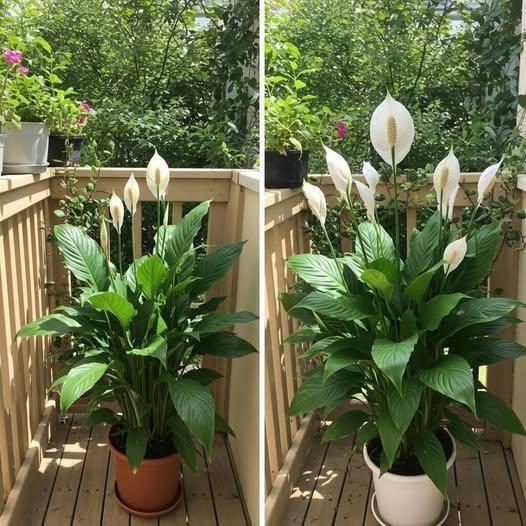
1 Cup Can Help a Peace Lily Bloom Better (Simple Natural Plant Feed That Supports Flowering)
Focus Keywords: peace lily not blooming, how to make peace lily flower, natural fertilizer for peace lily, indoor plant bloom booster, Spathiphyllum care tips, homemade plant fertilizer
PART 1: The Truth Behind “One Cup Bloom Hacks” for Peace Lilies (1500+ Words)
Why Peace Lilies Don’t Bloom (Even When They Look Healthy)
Many indoor gardeners notice a common issue: their peace lily grows lush green leaves but produces very few or no flowers. This often leads to frustration and viral “miracle remedies” claiming that a single homemade solution can fix everything.
The reality is more balanced.
A peace lily needs a combination of:
- Proper light
- Balanced watering
- Nutrient support
- Stable temperature
- Mature plant age
When any of these factors are missing, blooming slows or stops entirely.
What the “1 Cup Trick” Usually Refers To
Peace lily
In viral gardening content, “1 cup” usually refers to a diluted homemade liquid feed applied to the soil. These mixes are often based on kitchen ingredients like rice water, banana water, or mild compost liquid.
The idea behind them is simple:
give the plant gentle nutrients that support root health and flowering potential.
However, these are not instant bloom activators. They act as long-term plant conditioners, not magic flower triggers.
Why Plants Need More Than Just “Food” to Bloom
Flowering is an energy-intensive process for plants. A peace lily will only bloom when it feels “stable enough” in its environment.
Even if nutrients are available, the plant will not flower if:
- Light is too low
- Roots are stressed
- Soil is compacted
- Pot is too large or too small
- Temperature fluctuates too much
This is why fertilizer alone cannot guarantee blooms.
Understanding What Actually Helps Peace Lilies Flower
Instead of focusing on one ingredient, successful plant care focuses on system health:
1. Light Conditions Matter Most
Peace lilies prefer bright, indirect light. Too little light is the most common reason for no flowers.
2. Balanced Nutrition Supports Blooming
Plants need:
- Nitrogen (leaf growth)
- Phosphorus (flower support)
- Potassium (overall strength)
Too much nitrogen leads to leaves but no flowers.
3. Stable Watering Pattern
Overwatering or underwatering stresses roots, stopping bloom cycles.
What the “1 Cup Natural Feed” Actually Does
Homemade liquid feeds can help by:
- improving soil microbial activity
- gently adding trace nutrients
- supporting root hydration
- reducing chemical buildup in soil
But results are slow and depend on overall plant health.
Common “1 Cup” Plant Recipes People Use
These are popular natural plant care liquids:
- Rice water (starch and trace nutrients)
- Banana peel water (potassium source)
- Diluted compost tea (microbial support)
They are mild and safe when used occasionally—not daily.
Why Overusing Homemade Fertilizer Can Backfire
More is not better in plant care.
Overuse can cause:
- root rot from excess moisture
- fungal growth in soil
- salt buildup
- weak root systems
Plants need balance, not constant feeding.
How to Encourage Real Blooming in Peace Lilies
If your goal is more flowers, focus on:
- bright indirect sunlight
- slightly root-bound pot (often encourages blooming)
- monthly balanced fertilizer
- proper drainage
- removing old spent flowers
These factors have a much stronger effect than any single “hack.”
The Reality Behind Viral Plant Tricks
Viral gardening posts often exaggerate results because:
- they show only successful examples
- they ignore environmental conditions
- they simplify multi-step care into one action
In reality, plant blooming is a gradual process, not a quick fix.
Final Thoughts
A “1 cup” natural plant feed can support a peace lily’s health, but it is not a magic bloom switch. Real flowering comes from consistent care, proper light, and balanced nutrition over time.
When those conditions are met, peace lilies naturally reward you with healthy, beautiful blooms.