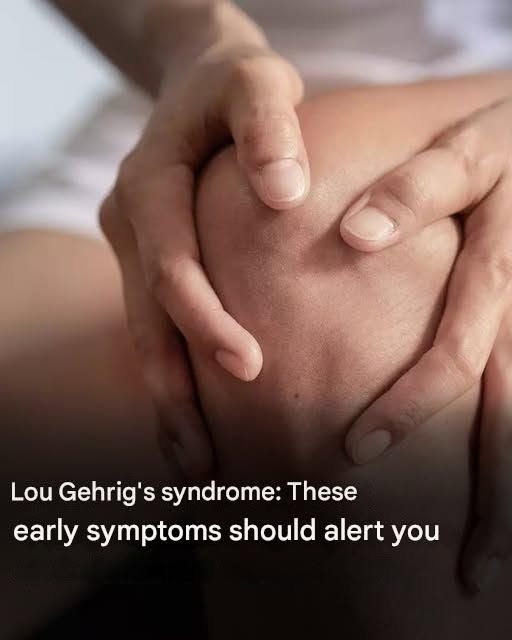
Lou Gehrig’s Disease (ALS): Early Symptoms to Know 🧠🦵
Lou Gehrig’s disease is the common name for amyotrophic lateral sclerosis (ALS), a progressive neurological disease that affects the nerve cells responsible for controlling voluntary muscles. Over time, it can lead to increasing muscle weakness and difficulty with movement, speech, swallowing, and breathing.
Early symptoms can be subtle and may vary from person to person.
Common Early Signs of ALS
💪 1. Muscle Weakness
- Weakness in a hand, arm, leg, or foot
- Difficulty with tasks such as buttoning clothes, gripping objects, or climbing stairs
🤏 2. Muscle Twitching (Fasciculations)
- Small, involuntary muscle twitches, often noticed in the arms, legs, shoulders, or tongue
🦵 3. Muscle Cramps and Stiffness
- Frequent cramps
- Tightness or stiffness in muscles
🚶 4. Tripping or Loss of Coordination
- Increased clumsiness
- Trouble walking or maintaining balance
🗣️ 5. Speech Changes
- Slurred speech
- Difficulty speaking clearly (in some people, this may be an early symptom)
🍽️ 6. Trouble Swallowing
- Difficulty moving food or liquids safely from the mouth to the throat
⚖️ 7. Muscle Loss (Atrophy)
- Noticeable thinning or shrinking of muscles, often in one area first
What ALS Usually Does Not Affect Early On
ALS typically does not initially affect:
- Memory
- Awareness
- Sensation such as touch, temperature, or pain
(However, some people with ALS can have changes in thinking or behavior.)
When to Seek Medical Advice
A person should see a healthcare professional if they experience:
- Persistent or worsening muscle weakness
- Unexplained muscle wasting
- New speech or swallowing difficulties
- Progressive problems with walking or coordination
Many conditions can cause similar symptoms, including nerve compression, vitamin deficiencies, thyroid problems, or other neurological disorders. A medical evaluation is needed to determine the cause.
Note: Having one of these symptoms does not mean someone has ALS. Diagnosis requires a specialist assessment and specific tests.