Early Warning Signs of Lou Gehrig’s Disease (ALS): First Symptoms You Should Never Ignore
Source: Mayo Clinic, NIH (National Institute of Neurological Disorders and Stroke), ALS Association
PART 1: Comprehensive Guide to Early Symptoms, Progression, and Understanding ALS (~1500+ words)
Introduction: What Is Lou Gehrig’s Disease?
Amyotrophic Lateral Sclerosis, commonly known as Lou Gehrig’s disease, is a progressive neurological disorder that affects nerve cells responsible for controlling voluntary muscle movement.
The name “Lou Gehrig’s disease” comes from the famous American baseball player Lou Gehrig, who brought public attention to the condition after his diagnosis in the 1930s.
ALS is a serious condition in which motor neurons gradually break down and die. As a result, the brain loses its ability to control muscle movement, leading to increasing weakness and loss of physical function over time.
Although there is currently no cure, early recognition of symptoms plays a crucial role in managing the disease, slowing progression, and improving quality of life.
Why Early Symptoms of ALS Are Often Missed
One of the biggest challenges with ALS is that it often begins subtly. Early symptoms may resemble common issues such as fatigue, muscle strain, or aging.
Because the disease usually starts in a localized area of the body—such as the hands, feet, or speech muscles—people may not immediately realize something serious is developing.
This is why understanding early warning signs is essential for timely medical evaluation.
How ALS Affects the Nervous System
In a healthy nervous system, motor neurons transmit signals from the brain and spinal cord to muscles, allowing movement.
In ALS:
- Motor neurons gradually degenerate
- Communication between brain and muscles breaks down
- Muscles weaken due to lack of stimulation
- Eventually, muscle control is lost completely
Importantly, ALS typically does not affect memory or cognitive awareness in most cases, especially in early stages.
Early Symptoms of Lou Gehrig’s Disease (ALS)
Below are the most commonly reported first signs of ALS. These symptoms often begin mildly and slowly worsen over time.
1. Muscle Weakness in Hands or Legs
One of the earliest signs is unexplained weakness in one limb.
People may notice:
- Difficulty gripping objects
- Trouble lifting light items
- Weakness in one hand more than the other
- Legs feeling unusually tired or unstable
This weakness is not due to overuse or injury and gradually worsens.
2. Muscle Twitching (Fasciculations)
Small, involuntary muscle twitches are another early symptom.
These can appear in:
- Arms
- Legs
- Shoulders
- Tongue
Although muscle twitching can occur in harmless conditions, persistent twitching combined with weakness is more concerning.
3. Clumsiness and Difficulty with Fine Motor Skills
Early ALS often affects coordination.
Examples include:
- Dropping objects frequently
- Trouble buttoning shirts
- Difficulty writing clearly
- Reduced hand precision
These changes may seem subtle at first but become more noticeable over time.
4. Slurred or Slowed Speech
When ALS affects the muscles of the face and throat early on, speech changes may occur.
This may include:
- Slurred words
- Softer voice
- Difficulty pronouncing certain sounds
- Speech fatigue after talking
This is sometimes called “bulbar onset” ALS.
5. Difficulty Chewing or Swallowing
Muscle weakness in the mouth and throat can make eating more difficult.
Early signs include:
- Choking on liquids
- Trouble swallowing pills
- Food feeling “stuck”
- Longer meal times
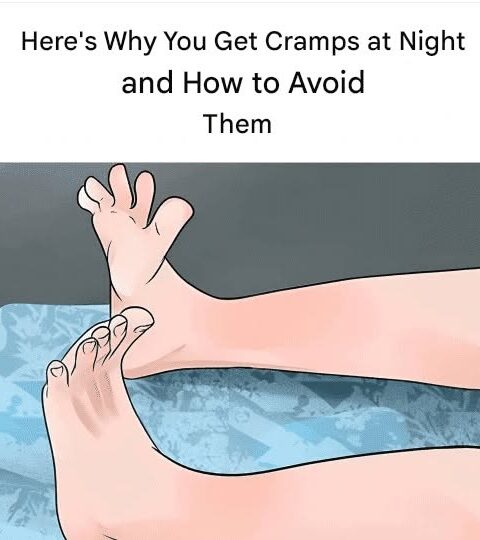
6. Muscle Cramps and Stiffness
Many patients report:
- Painful cramps in arms or legs
- Stiff or tight muscles
- Reduced flexibility
These symptoms may appear before noticeable weakness.
7. Tripping or Falling More Often
When leg muscles weaken, balance becomes affected.
Early warning signs include:
- Frequent stumbling
- Dragging feet
- Difficulty climbing stairs
- Loss of balance during walking
8. Fatigue and Reduced Endurance
Even simple tasks may begin to feel more tiring than usual.
This is not typical tiredness but a deeper muscle fatigue caused by reduced nerve signaling.
Types of ALS Onset
ALS can begin in different ways depending on which motor neurons are first affected:
Limb-Onset ALS
- Begins in arms or legs
- Most common form
- Early weakness and coordination issues
Bulbar-Onset ALS
- Starts with speech and swallowing muscles
- Speech changes appear early
Understanding the type helps doctors predict progression patterns.
How ALS Progresses Over Time
ALS is progressive, meaning symptoms gradually worsen.
Typical progression includes:
- Localized muscle weakness
- Spread to other limbs
- Increased difficulty speaking and swallowing
- Breathing muscle involvement in later stages
The rate of progression varies widely between individuals.
When to Seek Medical Attention
You should consult a neurologist if you notice:
- Persistent muscle weakness
- Unexplained twitching with weakness
- Difficulty speaking or swallowing
- Repeated falls or coordination problems
Early diagnosis allows access to treatments that may slow progression and improve comfort.
How ALS Is Diagnosed
There is no single test for ALS. Diagnosis involves:
- Neurological examination
- Electromyography (EMG)
- MRI scans to rule out other conditions
- Blood and nerve tests
Doctors look for patterns of nerve degeneration over time.
Treatment and Management Options
While ALS currently has no cure, treatments focus on slowing progression and managing symptoms.
Common approaches include:
- Medications that may slow disease progression
- Physical therapy to maintain mobility
- Speech therapy for communication support
- Nutritional support for swallowing difficulties
- Breathing support in later stages
Research continues worldwide to find more effective therapies.
Living with ALS: Support and Care
A diagnosis of ALS can be life-changing, but supportive care plays a major role in maintaining quality of life.
Patients often benefit from:
- Assistive communication devices
- Mobility aids
- Home modifications
- Emotional and psychological support
- Caregiver assistance
Final Thoughts
Early recognition of ALS symptoms is critical because it allows faster access to medical care and supportive treatments.
Although the condition is serious, understanding its early signs—such as muscle weakness, twitching, and speech changes—can lead to earlier intervention and better long-term planning.
PART 2: Simple Quick Reference Guide (Early ALS Symptoms)
First Warning Signs of ALS
Muscle & Movement
- Weak grip or weak limbs
- Clumsiness or dropping objects
- Frequent tripping or falling
Muscle Activity
- Twitching (arms, legs, tongue)
- Muscle cramps
- Stiff muscles
Speech & Swallowing
- Slurred speech
- Difficulty swallowing
- Voice changes
General Changes
- Fatigue in muscles
- Reduced coordination
- Loss of strength on one side
When to See a Doctor
- Symptoms are persistent
- Weakness is getting worse
- Speech or swallowing becomes difficult
If you want, I can also convert this into:
- A viral SEO blog post with FAQ schema
- A YouTube script (medical explainer style)
- Or a simplified Urdu version for wider audience reach