Navigating Vitamin Habits: Understanding Stroke Risk for Older Adults and Brain Health
As people age, maintaining brain health becomes a major priority. Vitamins and supplements are often promoted as ways to support memory, energy, and overall wellness, but it is important to understand that more is not always better. Some supplements may be helpful when a person has a deficiency, while unnecessary or excessive use may carry risks.
Vitamins and nutrients linked to brain and stroke health
1. Vitamin B12
Vitamin B12 supports:
- Healthy nerve function
- Red blood cell production
- Normal brain function
Older adults are more likely to have low B12 levels because absorption can decrease with age or with certain medications. A deficiency can contribute to:
- Memory problems
- Numbness or tingling
- Fatigue
A healthcare professional can check B12 levels if deficiency is suspected.
2. Folate (Vitamin B9)
Folate helps the body produce and repair cells. It also affects homocysteine, a substance associated with blood vessel health when levels are elevated.
However, taking high-dose folic acid supplements without a reason is not recommended for everyone.
3. Vitamin D
Vitamin D plays roles in:
- Bone health
- Muscle function
- Immune regulation
Low vitamin D levels are common in older adults, but supplements should be based on individual needs rather than taken in very high doses.
4. Omega-3 fatty acids (not a vitamin)
Omega-3s from fish or supplements may support heart health in some people, but high doses can affect bleeding risk, especially in people taking blood thinners.
Supplement habits to be cautious about
Taking high doses without medical guidance
Large amounts of certain vitamins can cause harm. For example:
- Excess vitamin A can be toxic
- Excess vitamin E supplements may increase bleeding concerns in some situations
- Too much vitamin D can raise calcium levels and cause health problems
Assuming supplements replace healthy habits
The strongest evidence for brain and stroke prevention supports:
- Regular physical activity
- Blood pressure control
- Managing cholesterol and diabetes
- Not smoking
- A balanced diet rich in vegetables, fruits, whole grains, legumes, and healthy fats
- Good sleep
Mixing supplements with medications
Some vitamins and supplements can interact with:
- Blood thinners
- Blood pressure medicines
- Cholesterol medicines
- Diabetes medications
Always review supplements with a healthcare professional, especially if you take multiple medications.
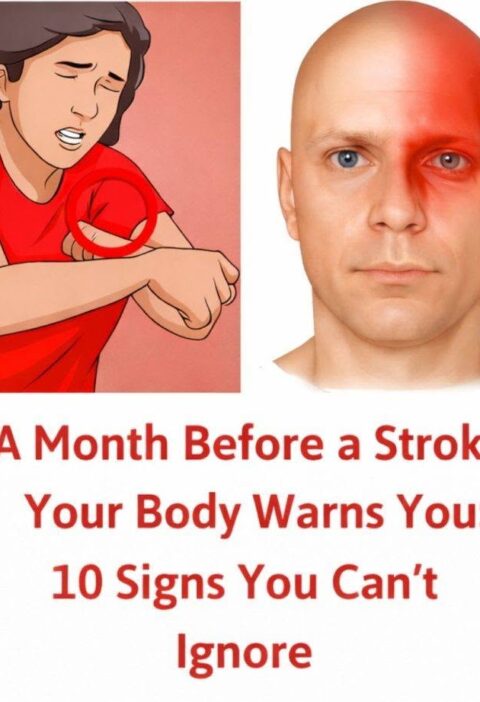
Warning signs of stroke
Seek emergency help immediately for sudden:
- Face drooping
- Arm weakness or numbness (especially on one side)
- Speech difficulty
- Severe unexplained headache
- Loss of balance or coordination
- Vision changes
Aging does not automatically mean declining brain health. The most effective approach is usually a combination of healthy lifestyle choices, managing medical conditions, and using supplements only when they are appropriate for your individual needs.