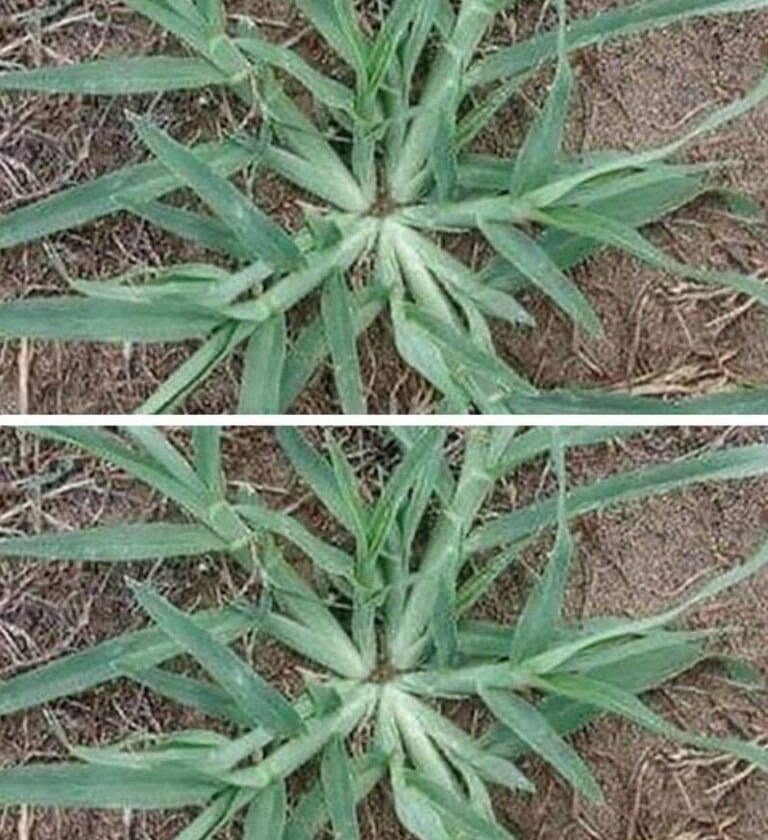
That headline is typical clickbait—it’s almost always referring to a “weed” that actually has hidden benefits, but the problem is: it never names the plant, because different articles swap in different ones.
In real gardening, there is no universal plant you should “never uproot.” It always depends on the species and your goals.
Here are a few common “mystery plants” these warnings usually mean:
🌿 1. Dandelion
Often called a weed, but:
- Leaves are edible (rich in nutrients)
- Flowers support pollinators
- Deep roots help soil health
👉 Still, it spreads fast, so many gardeners remove it.
🌿 2. Purslane
Sometimes praised in articles like this:
- Edible succulent (used in salads)
- High in omega-3 fatty acids
👉 But it can spread aggressively in garden beds.
🌿 3. Nettle
- Nutrient-rich and used in herbal remedies
- Good for compost and soil enrichment
👉 But it stings, so most people remove it from paths.
🌱 The reality behind the claim
- “Weeds” are just plants growing where we didn’t plan them
- Some are useful, some are invasive, some are harmful
- Whether you keep or remove them depends on:
- Your garden goals
- Local ecosystem
- Safety and spread rate
⚠️ Bottom line
If a plant appears in your garden:
- Don’t trust viral warnings blindly
- Identify it first
- Then decide whether it’s helpful, harmless, or invasive
If you want, you can send a photo or describe the plant, and I’ll tell you exactly what it is and whether you should keep it or remove it.