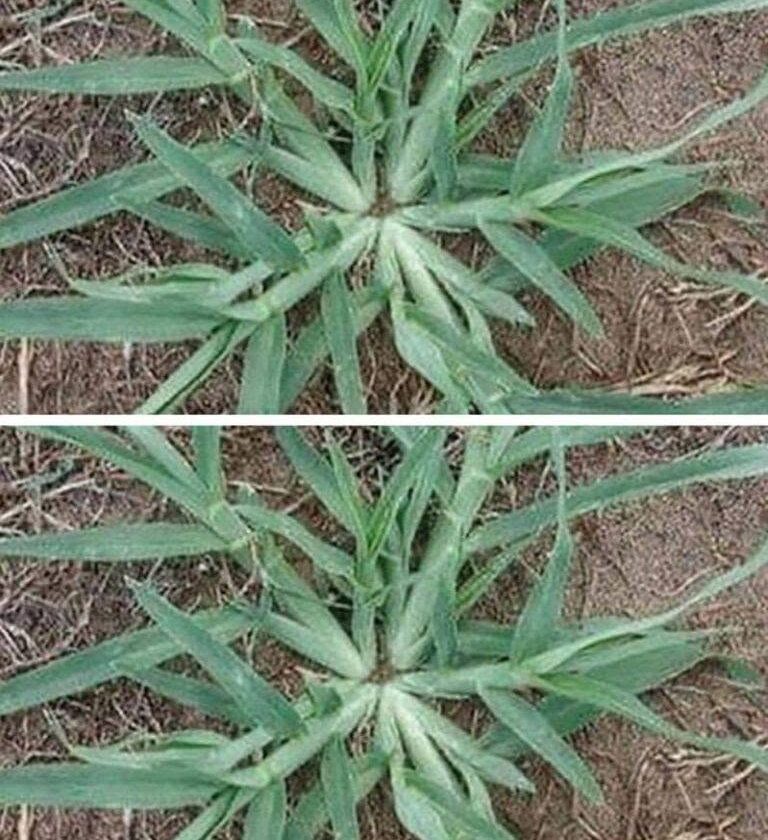
If you’ve seen a headline like “Never uproot this plant if it appears in your garden,” it’s usually clickbait. There isn’t a single plant that should never be removed. Whether you should keep or remove a plant depends on what it is, where it’s growing, and your goals for the garden.
Some plants are often worth preserving because they provide important ecological benefits:
- Common dandelion: An early food source for many pollinators, though it can spread readily in lawns.
- White clover: Supports pollinators and helps enrich soil by fixing nitrogen.
- Common milkweed (or native milkweed species in your region): Essential host plant for Monarch butterfly caterpillars.
- Stinging nettle: Although it stings, it provides habitat and food for several butterfly species and has culinary and traditional uses.
On the other hand, some plants are good candidates for removal because they are:
- Invasive and capable of outcompeting native plants.
- Toxic to people or pets in areas where they pose a risk.
- Damaging to structures, crops, or other desirable plants.
If you’re asking about a specific plant you found, upload a clear photo of:
- The whole plant.
- The leaves.
- Any flowers, fruits, or seed heads.
- The stem and the area where it’s growing.
I can help identify it and explain whether it’s beneficial, harmless, or something you should remove.