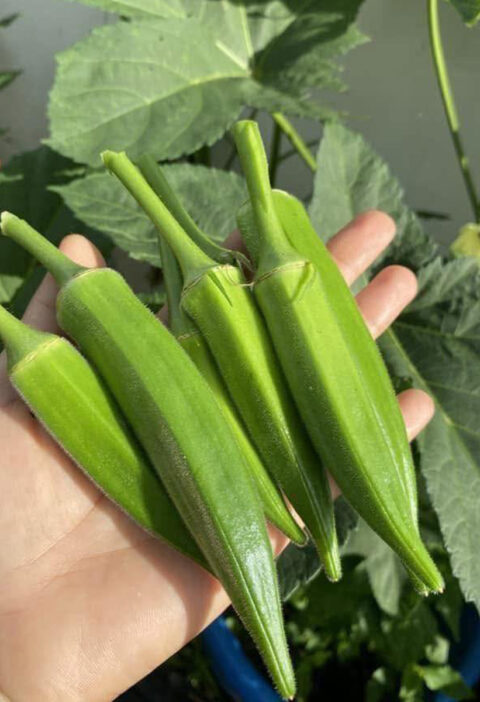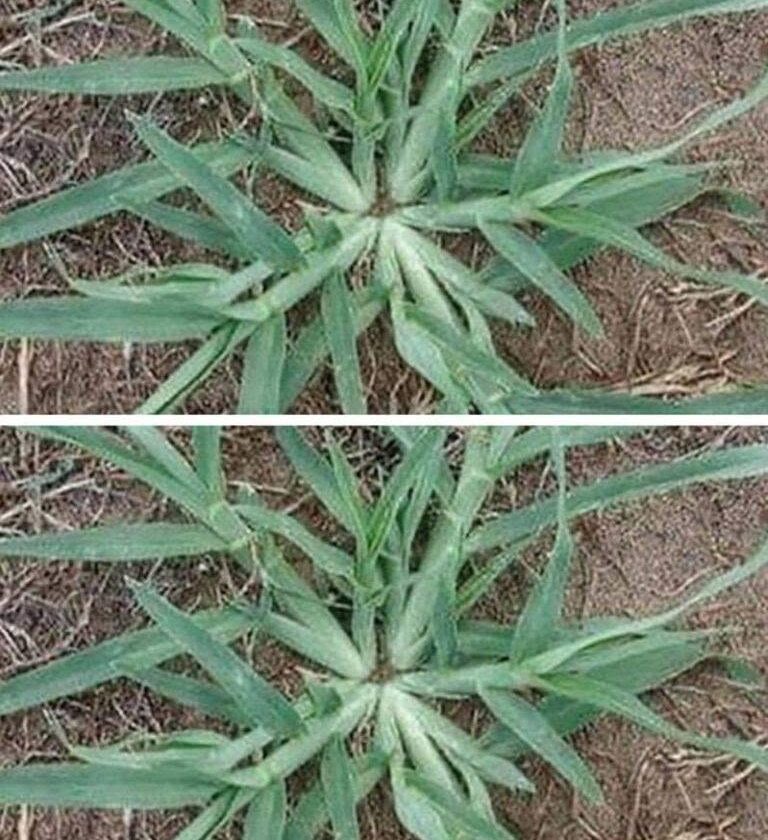
That kind of line is classic garden clickbait. When someone says “never uproot this plant if it appears in your garden,” they’re usually trying to create mystery or fear around a plant without context.
There is no single plant that universally should never be uprooted. Whether a plant is kept or removed depends on what it actually is and how it behaves in your garden.
🌱 Why these claims spread
They’re often used to:
- Attract attention online
- Promote “lucky/rare/medicinal plant” myths
- Push engagement (people click out of curiosity)
🌿 The reality
Some plants can be beneficial:
- Pollinator-friendly plants (support bees and butterflies)
- Medicinal herbs (like basil or mint, depending on use)
- Soil-improving plants (nitrogen-fixing species)
But the same plant in a different situation might be:
- Invasive (spreads too fast)
- Harmful to other plants
- Allergenic or irritating
So there is no universal “don’t remove it” rule.
⚠️ Examples of “context-dependent” plants
- Mint: useful herb, but can take over gardens quickly
- Dandelion: supports pollinators, but often considered a weed
- Some wild vines: can look harmless but choke other plants
✔️ Smart approach if you find an unknown plant
- Don’t panic or assume it’s “lucky” or “dangerous”
- Take a photo and identify it (plant ID app or local gardener)
- Decide based on:
- Is it harmful to other plants?
- Is it useful or invasive?
- Do you want it in that space?
🧠 Bottom line
The statement is not scientifically reliable. A plant should not be kept or removed based on viral claims, but on proper identification and its actual effect on your garden.
If you want, you can upload or describe the plant you saw, and I’ll help you identify whether it’s useful, harmful, or just a common weed.