New Method: Colonoscopy May No Longer Be an Invasive Examination
For many people, the idea of a traditional colonoscopy causes anxiety. The procedure involves inserting a flexible tube with a camera into the colon to look for polyps, inflammation, bleeding, and signs of colorectal cancer. While it remains one of the most effective screening tools available, researchers and medical technology companies have been developing less-invasive alternatives.
One of the most promising innovations is capsule colon endoscopy, sometimes called a “pill camera.”
What Is Capsule Colon Endoscopy?
Capsule colon endoscopy uses a small capsule containing miniature cameras, a light source, batteries, and a transmitter. The patient swallows the capsule with water. As it travels naturally through the digestive tract, it captures thousands of images and sends them to a recording device worn by the patient.
Doctors later review the images to examine the lining of the colon and look for abnormalities.
How It Works
- The patient follows a bowel-preparation routine similar to that used before a traditional colonoscopy.
- The capsule is swallowed.
- Images are transmitted wirelessly to a recorder.
- The capsule passes naturally through the body and is usually expelled during a bowel movement.
- Specialists analyze the recorded images.
The procedure generally does not require sedation or insertion of a scope into the colon.
Potential Benefits
Less Invasive
Because no colonoscope is inserted, many patients find the procedure more comfortable.
No Sedation Required
Most capsule procedures do not require sedation, allowing patients to return to normal activities more quickly.
Convenient
The examination can often be completed without spending hours in a medical facility.
Useful for Some Patients
Capsule imaging may be an option for certain people who cannot undergo a standard colonoscopy or whose previous colonoscopy was incomplete.
Limitations
Despite the excitement surrounding the technology, capsule colonoscopy is not a complete replacement for traditional colonoscopy.
Polyps Cannot Be Removed
If the capsule detects suspicious growths or polyps, a traditional colonoscopy is usually still needed to remove them or obtain tissue samples.
Biopsies Are Not Possible
The capsule can take pictures but cannot collect tissue for laboratory analysis.
Bowel Preparation Is Still Required
Patients generally must clean out the colon before the examination, just as they would for a standard colonoscopy.
Not Suitable for Everyone
Certain medical conditions may make capsule procedures inappropriate for some individuals.
Is Traditional Colonoscopy Still the Gold Standard?
Yes. Traditional colonoscopy remains the most comprehensive examination because it allows doctors to:
- View the colon directly
- Remove polyps immediately
- Perform biopsies
- Treat certain problems during the same procedure
For this reason, standard colonoscopy continues to be the preferred test in many situations.
The Future of Colon Cancer Screening
Researchers continue to improve capsule technology, artificial intelligence image analysis, and other non-invasive screening methods. The goal is to increase screening rates by making testing more comfortable and accessible while maintaining high accuracy.
Other non-invasive screening options already available include:
- Stool-based DNA tests
- Fecal immunochemical tests (FIT)
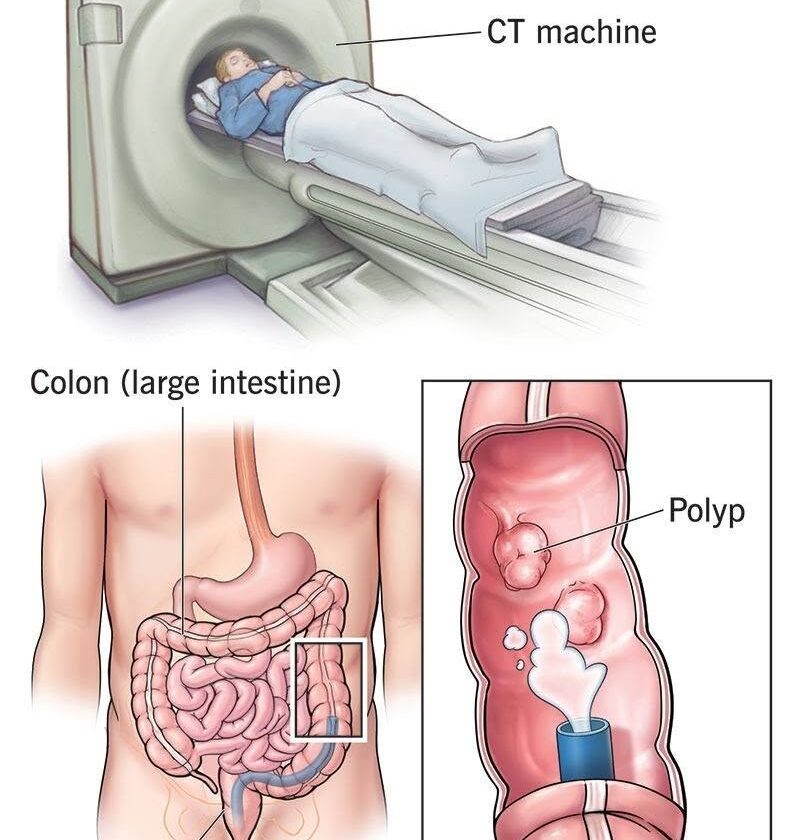
- CT colonography (“virtual colonoscopy”)
Each method has advantages and limitations, and the best choice depends on an individual’s risk factors and medical history.
Conclusion
New technologies such as capsule colon endoscopy are making colorectal screening less invasive and more patient-friendly. While these methods may reduce discomfort and improve participation in screening programs, they do not completely replace traditional colonoscopy. For now, conventional colonoscopy remains the most comprehensive tool for detecting and treating problems in the colon.
Anyone considering screening should discuss the available options with a healthcare professional to determine which approach is most appropriate for their age, health status, and risk factors.