The headline “New method: colonoscopy will no longer be an invasive examination” is likely misleading or oversimplified.
There are newer and less-invasive ways to screen for colorectal cancer, but they do not completely replace colonoscopy in every situation.
Some alternatives include:
- Stool-based tests
- These look for hidden blood or abnormal DNA in a stool sample.
- They can be done at home and are non-invasive.
- If the result is abnormal, a colonoscopy is usually still needed to find and remove polyps or diagnose cancer.
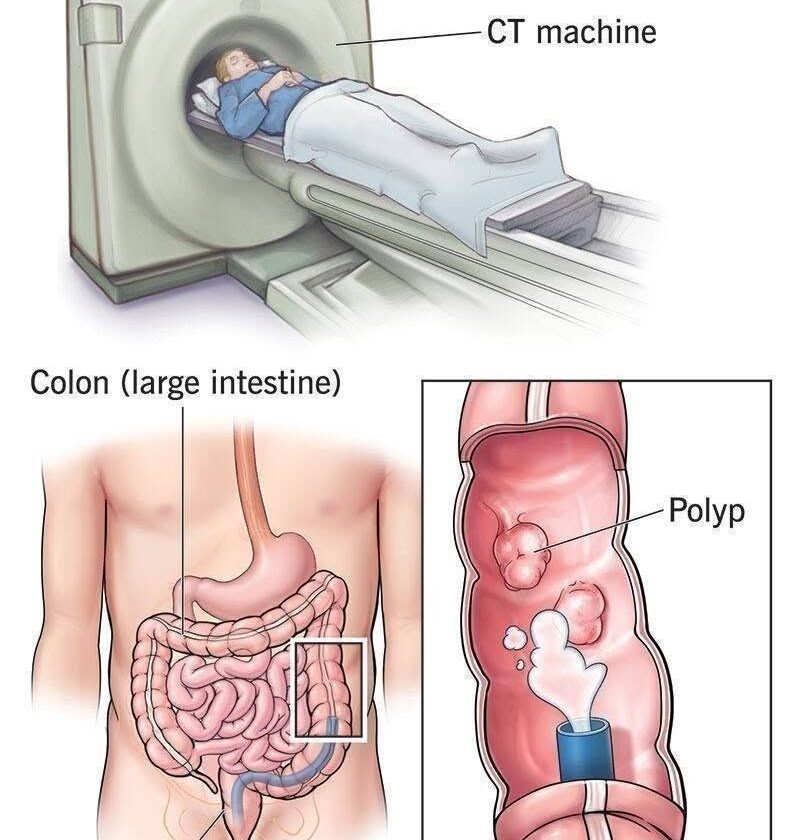
- CT colonography (“virtual colonoscopy”)
- Uses a CT scan to create images of the colon.
- It is less invasive than a standard colonoscopy but still requires bowel preparation, and air or gas is introduced into the colon.
- If a suspicious polyp is found, a standard colonoscopy is needed to remove it or take a biopsy.
- Capsule endoscopy
- In selected situations, a person swallows a small camera capsule.
- This is not a routine replacement for colonoscopy for colorectal cancer screening and has limitations.
Why colonoscopy is still important
A standard colonoscopy remains the most comprehensive test because it allows the doctor to:
- View the entire colon directly.
- Remove polyps during the same procedure.
- Take tissue samples (biopsies) if needed.
Researchers continue to develop less-invasive screening methods, but no new technique has completely eliminated the need for colonoscopy when abnormalities are found or when someone is at higher risk.
If you saw this headline referring to a specific “new method,” let me know what it was called, and I can explain what it does and whether it’s likely to change current screening practices.