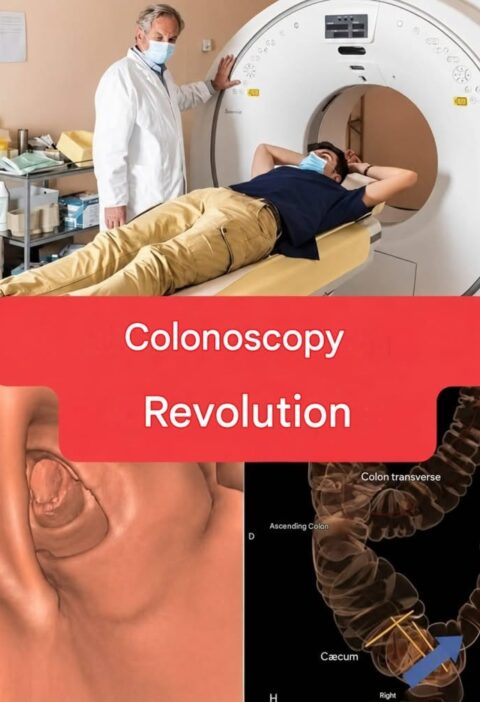
If you’re referring to claims that “colonoscopy will no longer be an invasive examination,” the reality is that medicine is developing and using less invasive alternatives, but traditional colonoscopy has not disappeared.
Why colonoscopy is considered invasive
A standard colonoscopy involves:
- Inserting a flexible camera into the colon through the rectum
- Bowel preparation beforehand to clear the intestine
- Often sedation for comfort
It remains one of the most effective tests because it can find and remove precancerous polyps during the same procedure.
Newer and less invasive options
1. Stool-based screening tests
- FIT (fecal immunochemical test): Detects hidden blood in stool.
- Stool DNA tests: Look for blood and genetic changes linked to colorectal cancer.
Advantages:
- No procedure inside the body
- Can be done at home
Limitations:
- If results are abnormal, a colonoscopy is usually still needed.
2. CT colonography (“virtual colonoscopy”)
- Uses CT imaging to create pictures of the colon.
- Does not require a camera inserted into the colon.
- Still requires bowel preparation and may require follow-up colonoscopy if something suspicious is found.
3. Future technologies
Researchers are studying tools such as:
- Advanced imaging
- Artificial intelligence-assisted screening
- Capsule-based devices that travel through the digestive tract
Some capsule systems already exist in limited settings, but they are not a complete replacement for colonoscopy in all situations.
Bottom line
Colonoscopy is becoming more comfortable and more targeted, and alternatives are expanding, but it is still an important tool for detecting and preventing colorectal cancer.
If you’re referring to a specific “new method” (for example, a pill camera, blood test, or AI scan), tell me the name and I can explain how close it is to replacing colonoscopy.