“New Method: Colonoscopy Will No Longer Be an Invasive Examination” — What’s the Truth?
Headlines suggesting that colonoscopy is being replaced by a completely non-invasive method are often exaggerated. While medical technology is advancing, traditional colonoscopy remains one of the most effective ways to examine the colon and prevent colorectal cancer because doctors can both detect and remove precancerous polyps during the same procedure.
However, there are newer and less invasive screening options available.
🧪 Stool-based tests
These tests look for signs of colorectal cancer or bleeding in a stool sample:
- Fecal immunochemical test (FIT): Detects hidden blood in stool.
- Stool DNA tests: Look for genetic changes associated with colorectal cancer along with blood markers.
Advantages:
✅ Done at home
✅ No sedation
✅ No scope inserted into the colon
Limitations:
❌ If the result is abnormal, a colonoscopy is usually still needed.
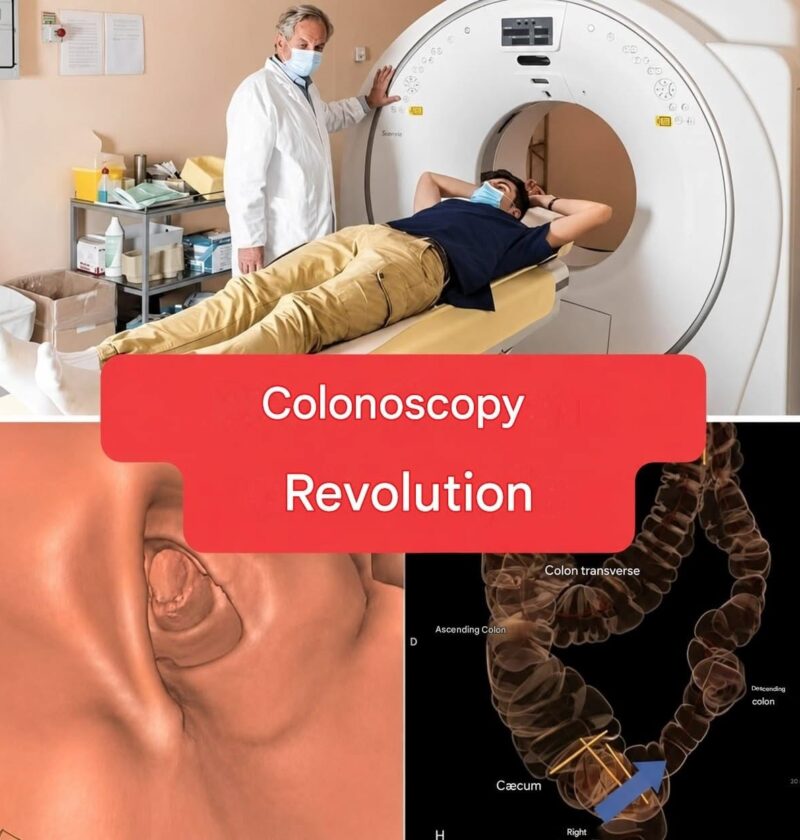
🩻 CT colonography (“virtual colonoscopy”)
This uses CT imaging to create pictures of the colon.
Advantages:
- No traditional colonoscope
- Usually no sedation
Limitations:
- Still requires bowel preparation
- Cannot remove polyps during the scan
- Abnormal findings require a traditional colonoscopy
🔬 Future technologies
Researchers are studying tools such as:
- Advanced imaging
- Artificial intelligence-assisted detection
- Improved blood-based screening tests
These may expand screening options, but they have not fully replaced colonoscopy.
Why colonoscopy is still important
A colonoscopy can:
- Find early cancers
- Detect polyps before they become cancerous
- Remove many polyps immediately