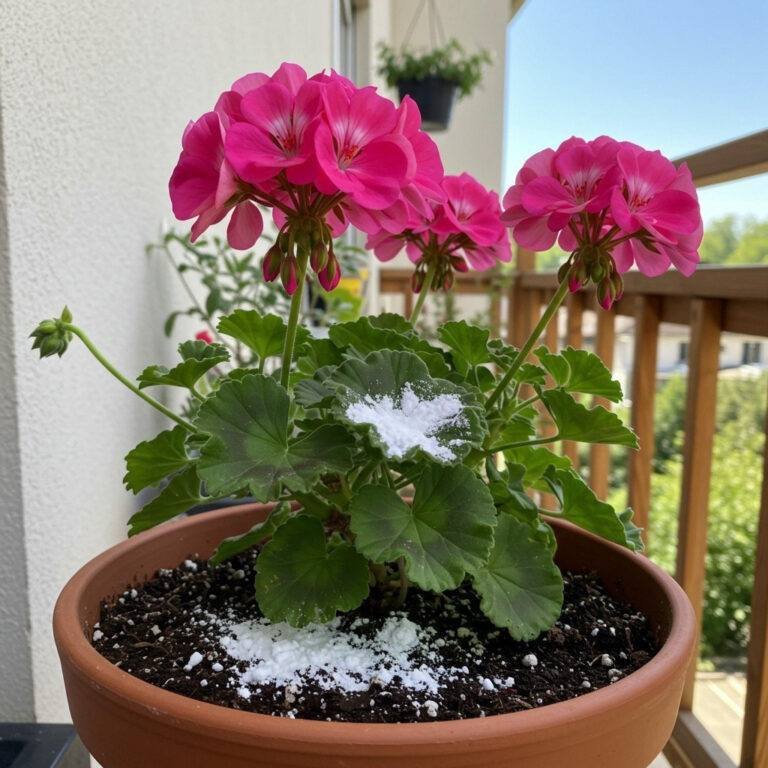
Complete Guide to Flower Blooming Secrets, Fertilizer Myths, and Real Plant Nutrition
Understanding the Viral Claim About “One Spoon for Endless Flowers”
Headlines like “One spoon is enough to make so many flowers bloom – the secret behind the beauty of plants” are very common in gardening videos and social media posts. They usually suggest that adding a small amount of a household ingredient or fertilizer can instantly trigger nonstop flowering in plants.
While this sounds exciting, real plant biology does not work this way. Flowering in plants depends on multiple long-term factors such as light, nutrients, watering habits, plant age, and environmental stability—not a single magical spoonful of any substance.
Search queries related to this trend include:
- how to make plants bloom faster naturally
- best fertilizer for flowering plants at home
- natural plant bloom booster
- homemade fertilizer for flowers
- garden hacks for more flowers
Why Plants Don’t Bloom From a Single “Magic Ingredient”
Plants are living organisms with complex growth cycles. Flowering is a biological process that happens when the plant reaches the right stage of maturity and environmental conditions are favorable.
A single spoon of any substance cannot override:
- Growth hormones inside the plant
- Seasonal changes
- Light exposure
- Root health
- Nutrient balance
So while fertilizers help, they work gradually—not instantly.
What Actually Helps Plants Produce More Flowers
Healthy and consistent flowering depends on a combination of care factors.
1. Proper Sunlight Exposure
Most flowering plants need sufficient sunlight to produce blooms. Without enough light, plants may grow leaves but fail to flower.
- Full sun plants need 5–6+ hours of sunlight
- Partial shade plants need filtered light
2. Balanced Nutrition (Not Overfeeding)
Plants require essential nutrients:
- Nitrogen (leaf growth)
- Phosphorus (flower development)
- Potassium (overall strength)
Too much fertilizer can actually reduce flowering by encouraging leaf growth instead.
3. Correct Watering Routine
Both overwatering and underwatering can stress plants and reduce flowering.
Healthy watering habits include:
- Keeping soil moist but not soggy
- Ensuring proper drainage
- Watering based on plant needs, not fixed schedules
4. Healthy Soil Conditions
Soil quality plays a major role in plant blooming.
Good soil should have:
- Nutrient balance
- Proper aeration
- Organic matter
- Drainage ability
The Truth About “One Spoon Fertilizer Tricks”
Many viral gardening hacks suggest adding “one spoon” of:
- Sugar
- Coffee
- Baking soda
- Salt mixtures
- Milk
- Homemade powders
While some of these ingredients may have minor effects on soil nutrients, none of them guarantee increased flowering on their own.
In fact, incorrect use can harm plants by:
- Altering soil pH
- Causing root damage
- Creating nutrient imbalance
- Attracting pests or mold
How Real Fertilizers Actually Work
Commercial and organic fertilizers are designed to release nutrients gradually into the soil. This allows plants to absorb what they need over time.
Types include:
- Liquid fertilizers (fast absorption)
- Slow-release granules (long-term feeding)
- Organic compost (natural nutrient source)
The key is balance and timing, not quantity or shortcuts.
Why Flowering Sometimes Suddenly Improves
People often think a single spoon of something caused blooming, but in reality, flowering usually improves due to:
- Seasonal change (spring/summer growth cycle)
- Better sunlight exposure
- Natural plant maturity
- Improved watering habits
- Gradual nutrient buildup over time
This creates the illusion of a “magic effect.”
Signs Your Plant Is Ready to Bloom
Plants typically flower when they are:
- Mature enough in age
- Receiving proper sunlight
- Healthy with strong roots
- Not under stress
- Growing in balanced soil
If any of these conditions are missing, flowering may stop regardless of added “boosters.”
Safe Ways to Encourage More Flowers Naturally
Instead of relying on viral hacks, use proven methods:
- Use balanced fertilizer in small amounts
- Prune dead or weak branches
- Ensure proper sunlight exposure
- Repot when roots become crowded
- Maintain consistent watering habits
These practices support long-term flowering success.
Final Thoughts on the “One Spoon Bloom Trick”
The idea that one spoon of anything can make plants produce endless flowers is a gardening myth. While fertilizers and nutrients are essential, they only work when combined with proper plant care and environmental conditions.
Real plant health is built slowly through consistency, not shortcuts. When plants receive the right balance of light, water, soil, and nutrients, they naturally reward you with healthy and beautiful blooms over time.
Part 2: Simple Plant Flower Boosting Guide
Basic Flowering Care Routine
Sunlight
- Provide appropriate light for your plant type
Watering
- Keep soil moist but not overwatered
Feeding
- Use balanced fertilizer in small amounts every few weeks
Maintenance
- Remove dead leaves and spent flowers
- Keep soil healthy and well-drained