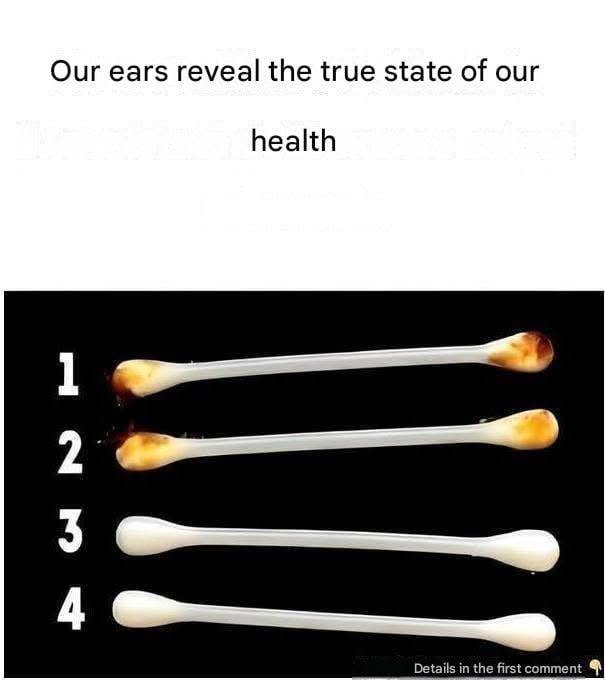
The claim “Our ears reveal the true state of our health” is a common health headline, but it is overstated. Your ears can sometimes provide clues about certain conditions, but they cannot reveal your overall health status or diagnose diseases on their own.
Some ear-related signs that may be worth paying attention to include:
- Hearing changes
- Gradual hearing loss is common with aging, but sudden hearing loss should be evaluated quickly.
- Persistent ringing (tinnitus)
- Occasional ringing can happen, but ongoing tinnitus may need assessment, especially if it affects daily life.
- Ear pain or discharge
- These can indicate infections, inflammation, or other ear problems.
- Dizziness or balance problems
- The inner ear plays a role in balance, and recurring dizziness may require medical evaluation.
- Changes in the earlobe
- Some studies have explored associations between certain earlobe features and heart health, but these findings are not reliable enough for diagnosis.
Caring for your ear health
- Avoid inserting cotton swabs or objects deep into the ear canal.
- Protect your ears from loud noises.
- Get hearing checked if you notice changes.
- Seek medical advice for sudden hearing loss, severe pain, drainage, or persistent dizziness.
Your ears can offer useful health clues, but a proper health assessment requires looking at symptoms, medical history, lifestyle, and appropriate medical tests—not just the appearance of the ears.