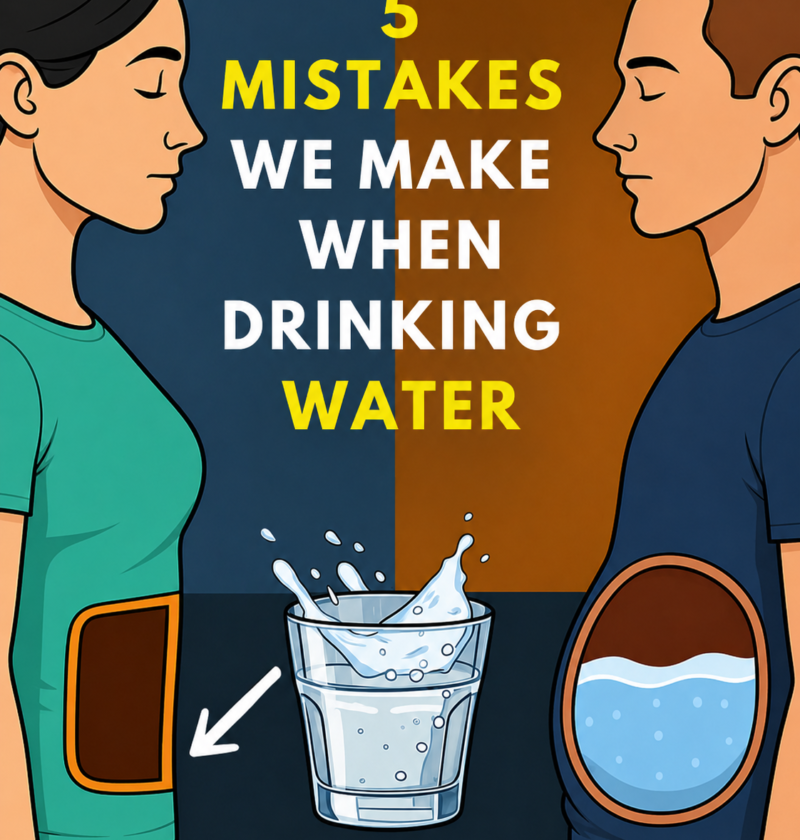
Drinking enough water is important, but how you drink it can also affect comfort and hydration. Here are practical guidelines:
1. Drink consistently throughout the day
Instead of consuming large amounts at once, spread your water intake across the day. This helps your body absorb and use fluids more effectively and can reduce frequent bathroom trips.
2. Use thirst as a guide, but don’t rely on it exclusively
Thirst is a useful signal, but some people—especially older adults, athletes, or those in hot climates—may become mildly dehydrated before feeling thirsty. Drinking regularly with meals and between activities can help.
3. Check your urine color
A pale yellow color generally suggests adequate hydration. Very dark urine can indicate dehydration, while completely clear urine all the time may mean you’re drinking more than necessary.
4. Drink more when needed
You may need extra fluids if you:
- Exercise or do physical labor
- Spend time in hot or humid weather
- Have a fever, diarrhea, or vomiting
- Are pregnant or breastfeeding
5. Don’t force excessive amounts
More water is not always better. Drinking extreme amounts in a short period can overwhelm the body’s ability to balance electrolytes and, in rare cases, lead to a dangerous condition called Hyponatremia.
6. Drink with meals if comfortable
For most people, drinking water during meals is perfectly fine and does not significantly impair digestion.
7. Start and end the day hydrated
Having a glass of water after waking up and ensuring you’re not thirsty before bed can help maintain hydration. If nighttime urination is a problem, avoid large amounts right before sleep.
8. Choose water over sugary drinks
Water is usually the best choice for hydration. Sugary beverages can add unnecessary calories, and some caffeinated or alcoholic drinks may not hydrate as effectively.
How much water do you need?
There is no single amount that fits everyone. A common guideline is around:
- Men: about 3.7 liters (125 oz) of total fluids per day
- Women: about 2.7 liters (91 oz) of total fluids per day
These totals include fluids from both beverages and food. Your actual needs may be higher or lower depending on your size, activity level, climate, and health.