.
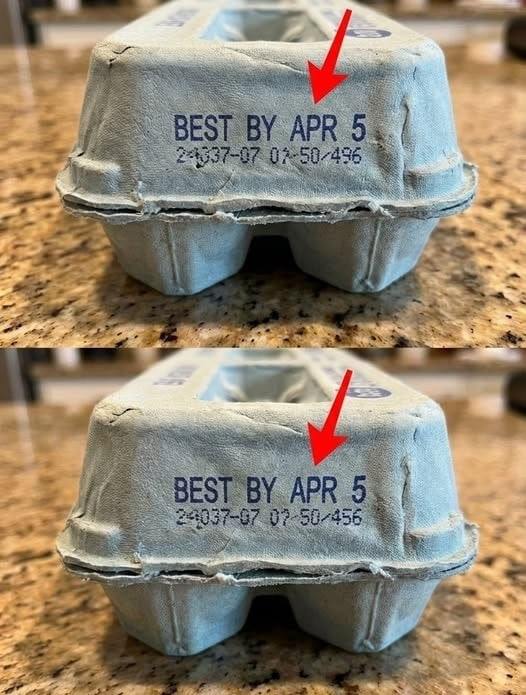
🥚 EGG EXPIRATION DATES EXPLAINED: THE ONE DETAIL MOST PEOPLE IGNORE WHEN BUYING EGGS
(Part 1: Complete Guide to Understanding Egg Date Labels, Freshness, and Safety)
🧠 Why Egg Dates Confuse Most Shoppers
When people buy eggs, they often look at the printed date on the carton and assume it is a strict “expiration date.” In reality, that number is usually a quality guideline, not a safety cutoff.
Different countries and brands use different labels such as:
- “Best Before”
- “Sell By”
- “Use By”
- “Expiration Date”
These do not all mean the same thing.
📅 1. “Best Before” vs “Expiration Date” (Big Difference)
The most important detail many shoppers miss is this:
✔ “Best Before” Date
- Refers to peak freshness and taste
- Eggs are usually still safe after this date if stored properly
- Quality (taste, texture) may slowly decline
❌ “Expiration Date”
- Indicates when the product may no longer be safe
- Less commonly used for eggs in many regions
👉 Many cartons only show “best before,” not a true safety expiration.
🥚 2. Eggs Often Last Longer Than You Think
Properly refrigerated eggs can often stay good for:
- 3–5 weeks after packaging
- Sometimes even longer if stored correctly
Cold storage slows bacterial growth significantly.
❄️ 3. Proper Storage Makes a Huge Difference
To keep eggs fresh longer:
- Store in the refrigerator (not on the counter)
- Keep them in their original carton
- Avoid temperature changes
- Store away from strong-smelling foods
Egg shells are porous and can absorb odors easily.
💡 4. The Simple Water Freshness Test (Very Popular Trick)
If you are unsure about egg freshness, you can do this quick test:
- Fill a bowl with water
- Place the egg inside
Results:
- 🥚 Sinks and lies flat → very fresh
- 🥚 Stands upright → still okay but older
- 🥚 Floats → likely spoiled, discard
This works because older eggs develop more air inside.
🧪 5. What Actually Happens After the Date Passes
After the “best before” date:
- Egg white may become thinner
- Yolk may flatten slightly
- Flavor may weaken
- But it is often still safe if no spoilage signs exist
⚠️ 6. When You Should NOT Eat Eggs
Discard eggs if you notice:
- Strong sulfur or rotten smell
- Cracked or leaking shells
- Unusual discoloration
- Floating in water test
Smell is the most reliable indicator.
🧊 7. Why Grocery Stores Don’t Tell You This Clearly
Food labeling rules vary, and stores mainly focus on:
- shelf rotation
- selling within “best before” windows
- reducing liability
So many people assume the date is stricter than it actually is.
🧾 PART 2: Simple Egg Freshness Guide (Quick Reference)
✔ What You Should Know Before Buying Eggs
- “Best before” ≠ instant spoilage
- Refrigerated eggs last weeks beyond label date
- Water test helps check freshness
- Smell test is most reliable
🥚 Quick Safety Checklist
- Keep eggs refrigerated
- Check carton date, but don’t rely on it alone
- Use water test if unsure
- Throw away eggs with bad smell or cracks