Peace Lily Care: What Really Makes It Bloom for Many Years
Peace lilies are popular indoor plants because they are low-maintenance and produce elegant white blooms. However, consistent flowering requires the right balance of light, water, nutrients, and environment.
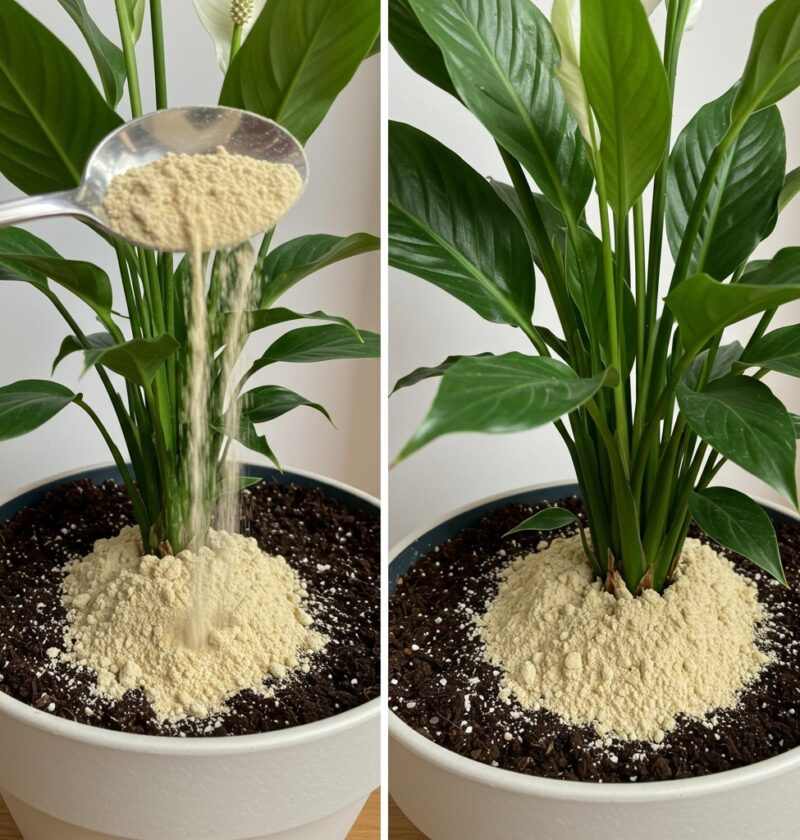
The truth about “one ingredient” claims
There is no single fertilizer, powder, or kitchen ingredient that guarantees long-term blooming. Flower production is influenced by:
- Light levels
- Plant maturity
- Soil health
- Feeding schedule
- Temperature and humidity
What peace lilies actually need to bloom regularly
1. Proper light (most important factor)
Peace lilies thrive in bright, indirect light.
- Too little light = leaves only, no flowers
- Too much direct sun = scorched leaves
2. Balanced feeding (key nutrition factor)
A diluted, balanced fertilizer can help support flowering during the growing season.
Important nutrients include:
- Nitrogen (leaf growth)
- Phosphorus (flower support)
- Potassium (overall plant health)
3. Correct watering routine
Peace lilies prefer:
- Slightly moist soil
- Not soggy roots
- Water when the top layer begins to dry
Overwatering is one of the most common causes of poor growth.
4. Warm, humid environment
These plants grow best in:
- Warm indoor temperatures
- Moderate to high humidity
Dry air can reduce flowering.
5. Repotting when needed
If roots become crowded:
- Growth slows
- Flowering may stop
Repotting every few years helps maintain health.
Why peace lilies stop blooming
Even healthy plants may stop flowering due to:
- Low light
- Lack of nutrients
- Age of the plant
- Stress from overwatering or underwatering
Can a peace lily bloom for 10 years?
Yes, a healthy Peace lily can live and rebloom for many years—but not continuously or automatically. Blooming cycles depend on care conditions, not a guaranteed timeline.