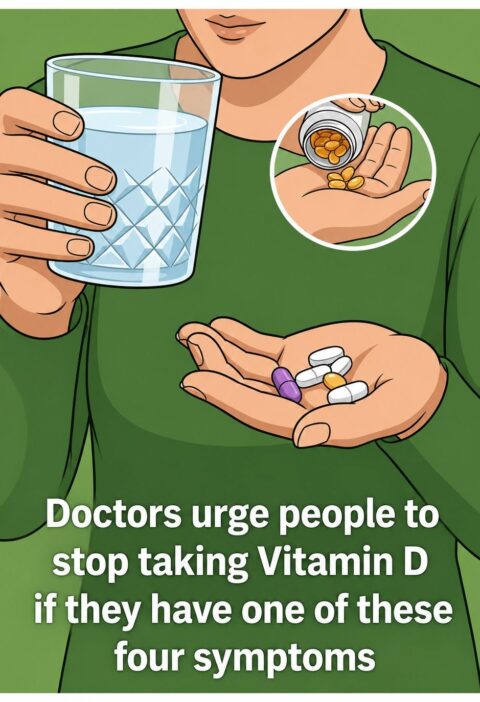
Headlines like “pharmacist issues warning to anyone who takes Vitamin D” are usually exaggerated. There isn’t a universal warning to stop taking Vitamin D—but there are important safety points pharmacists often remind people about.
🧠 What pharmacists are actually warning about
1. Taking too much (most important risk)
Vitamin D is fat-soluble, so it can build up in the body.
- Excess intake over time can cause high calcium levels (hypercalcemia)
- Symptoms may include nausea, weakness, confusion, and frequent urination
This usually happens only with high-dose, long-term supplementation, not normal daily use.
2. “Stacking” supplements without realizing it
People sometimes take:
- Multivitamins + vitamin D tablets + calcium supplements
→ This can unintentionally lead to excessive intake
3. Taking it without checking deficiency
Vitamin D is helpful when needed, but:
- Not everyone is deficient
- Routine high-dose use without testing isn’t always necessary
A simple blood test (25-OH vitamin D) can guide dosing.
4. Drug interactions (in some cases)
Vitamin D may interact with:
- Certain diuretics (affect calcium balance)
- Some anticonvulsants
- Steroid medications (may reduce vitamin D levels)
☀️ What vitamin D actually does
Vitamin D helps with:
- Bone health (calcium absorption)
- Muscle function
- Immune system support
It is essential—but like many nutrients, balance matters.
🚨 When to be cautious
Talk to a healthcare professional if you:
- Take high-dose vitamin D long-term
- Have kidney disease or high calcium levels
- Notice symptoms like persistent nausea, weakness, or unusual thirst