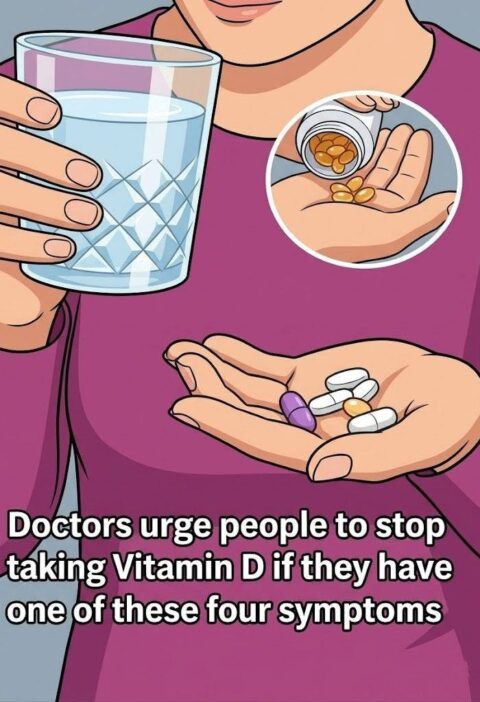
Headlines like “Pharmacist issues warning to anyone who takes Vitamin D” are usually written to sound urgent, but they often exaggerate a more specific or limited concern.
Vitamin D (Vitamin D) is widely used and generally safe when taken at appropriate doses, but there are a few real safety points pharmacists and doctors commonly warn about:
1. Too much vitamin D can be harmful
Vitamin D is fat-soluble, so it can build up in the body if taken in high doses over time. Excess can cause:
- High calcium levels (hypercalcemia)
- Nausea, vomiting, weakness
- Kidney stones or kidney damage in severe cases
This usually happens only with high-dose supplements taken for long periods, not normal daily doses.
2. Interactions with certain conditions and medications
Extra caution is needed if someone has:
- Kidney disease
- Parathyroid disorders
- Sarcoidosis or other granulomatous diseases (can increase vitamin D sensitivity)
Some medications can also interact, such as:
- Thiazide diuretics (may increase calcium levels)
- Certain anti-seizure drugs (may lower vitamin D levels)
3. “More is better” is false
Many viral posts encourage very high daily doses, but most adults only need:
- About 600–800 IU/day (depending on age and guidelines)
- Higher doses only if prescribed based on blood tests
Bottom line
Vitamin D is not dangerous for most people at standard doses. The real risk comes from over-supplementation without medical guidance, especially at high doses for long periods.
If you want, you can share the full warning or screenshot, and I can break down exactly what the pharmacist was referring to and whether it applies to most people or a specific group.