Complete Guide to Using Toothpaste as a DIY Pest Control Trick
The Viral Idea Behind the “Toothpaste Hack” for Insects
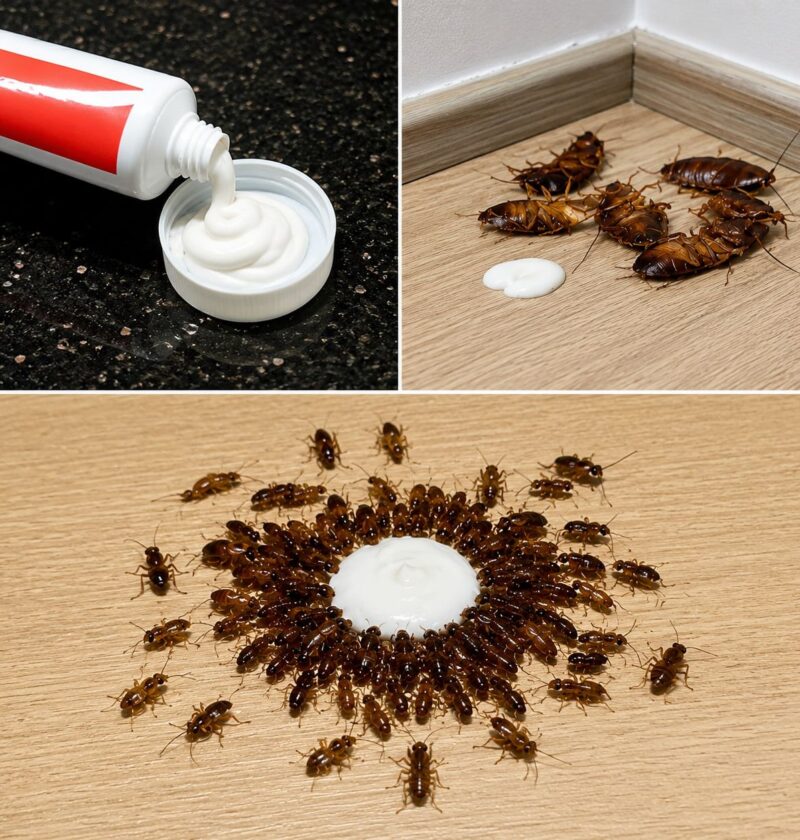
Social media has popularized many home remedies for pest control, and one of the most shared ideas is using toothpaste to remove ants, mites, and cockroaches. This trend appears in searches like toothpaste ants home remedy, DIY cockroach killer natural hacks, mites control home remedies, and kitchen pest control without chemicals.
The concept suggests that common toothpaste—because of its strong smell and chemical ingredients—may help repel or even kill household pests. While this idea is widely circulated, it is important to separate viral claims from practical pest control science.
Toothpaste is designed for oral hygiene, not insect control. However, certain properties such as strong fragrance, detergents, and foaming agents may temporarily affect insect behavior in small, confined situations.
Why People Believe Toothpaste Works Against Pests
Toothpaste contains several ingredients that can explain why people think it works:
- Mint flavoring agents (menthol-like compounds)
- Abrasive particles
- Foaming detergents
- Strong artificial fragrances
These elements can create a strong smell and sticky texture that may interfere with how insects navigate surfaces.
Because pests like ants rely heavily on scent trails, any strong-smelling substance can temporarily disrupt their movement patterns.
However, disruption does not equal elimination.
Can Toothpaste Really Kill Ants, Mites, or Cockroaches?
Ants
Toothpaste may temporarily disturb ants by covering scent trails. However, it does not kill the colony or prevent them from returning once the smell fades.
Cockroaches
Cockroaches are highly resilient insects. Toothpaste does not contain insecticidal ingredients strong enough to eliminate them. At most, it may act as a minor repellent in small areas.
Mites
Mites are microscopic and often require specialized treatment. Toothpaste is not effective against mite infestations and should not be relied upon for this purpose.
How People Use Toothpaste in DIY Pest Hacks
Despite limited effectiveness, people commonly use toothpaste in the following ways:
1. Blocking Entry Points
A thin layer of toothpaste is applied near cracks, corners, or holes where ants or cockroaches are seen.
2. Mixing with Other Household Items
Some combine toothpaste with baking soda or sugar in attempts to attract or repel insects.
3. Creating Barrier Lines
Toothpaste is drawn in lines along walls, windows, or kitchen edges to discourage crawling insects.
4. Smearing Near Trash Areas
Strong scent areas like garbage bins are sometimes treated with toothpaste in hopes of reducing insect activity.
These methods are inexpensive but generally short-term and inconsistent.
Scientific Reality of Toothpaste as Pest Control
Effective pest control relies on ingredients specifically designed to target insect nervous systems or disrupt reproduction cycles. These include:
- Insecticides
- Baits
- Growth regulators
- Professional-grade repellents
Toothpaste does not contain any of these active pest control agents.
Its effects are mostly:
- Temporary scent masking
- Mild surface irritation for insects
- Short-lived deterrence in confined areas
Therefore, toothpaste should not be considered a reliable solution for infestations.
Why Pest Problems Keep Returning
Even if toothpaste appears to reduce insects temporarily, pests return because:
- Food sources remain accessible
- Entry points are not sealed
- Nesting areas are untreated
- Moisture and warmth attract insects
- Colonies are not eliminated
This is why pest control experts focus on long-term strategies rather than surface-level fixes.
Safer and More Effective Home Pest Control Methods
Ant Control
- Clean food crumbs immediately
- Seal sugar and sweet items properly
- Use ant bait stations
- Seal wall cracks
Cockroach Control
- Keep kitchen dry and clean
- Remove grease buildup
- Use gel baits or traps
- Dispose of garbage regularly
Mite Control
- Wash bedding in hot water
- Vacuum frequently
- Reduce humidity indoors
- Use approved mite treatments if needed
When DIY Hacks Can Be Useful
While toothpaste is not a strong pest killer, DIY methods can still help in small ways:
- Temporary repelling of insects
- Short-term barrier creation
- Early-stage pest prevention support
But they should always be combined with proper hygiene and proven pest control methods.
Common Mistakes People Make with Toothpaste Hacks
Relying Only on Toothpaste
This is the biggest mistake. It does not solve the root cause of infestations.
Ignoring Food Hygiene
Leaving food exposed will attract pests regardless of any home remedy.
Not Sealing Entry Points
Cracks and gaps allow insects to return easily.
Expecting Instant Results
Pest control requires consistent action, not one-time solutions.
Final Thoughts on Toothpaste for Pest Removal
The idea of using toothpaste to remove ants, mites, and cockroaches is a popular DIY trend, but its effectiveness is very limited. While it may temporarily disturb insects due to its strong smell, it does not eliminate pests or prevent long-term infestations.
For real pest control results, it is better to rely on proper sanitation, sealing entry points, and proven pest control methods rather than household hacks alone.
Toothpaste can be part of a temporary DIY approach, but it should not be considered a complete solution.
Part 2: Simple DIY Toothpaste Pest Hack (Temporary Use Only)
Materials
- White toothpaste (mint or strong scent preferred)
- Cotton swab or tissue
Steps
- Apply a small amount of toothpaste on entry points like cracks or corners.
- Place thin lines near windows, doors, or kitchen edges.
- Reapply every 1–2 days if needed.
- Clean the area after pest activity reduces.
Important Note
- This is only a temporary deterrent.
- It does not kill pests or remove infestations.
- Use alongside proper cleaning and pest control methods.