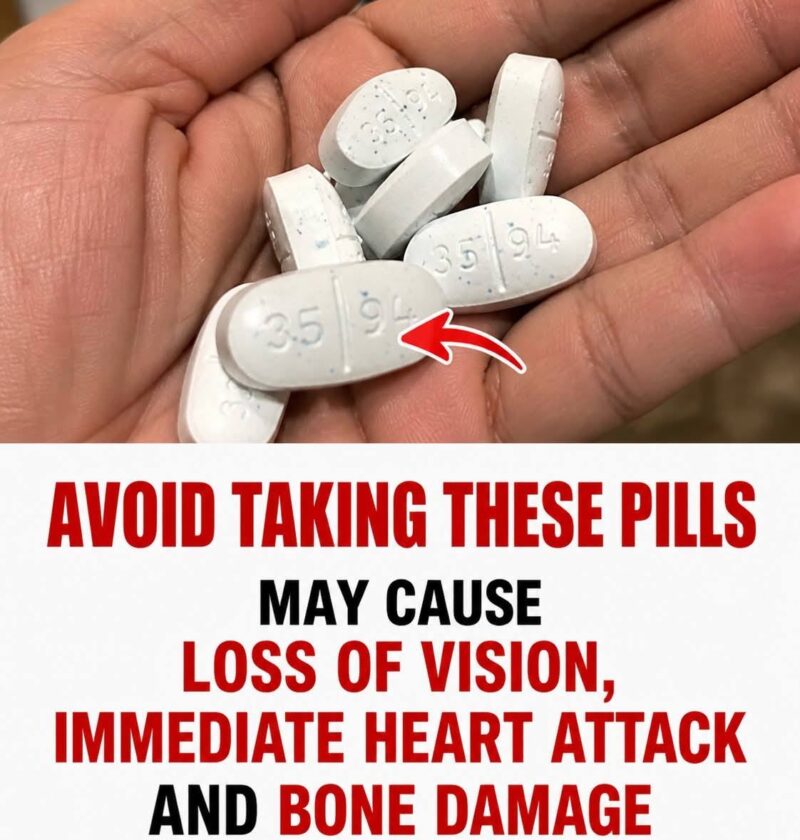
That kind of warning headline is alarmist and incomplete. It takes real medical risks (which exist with many medicines) and exaggerates them into a blanket fear statement.
🧠 Key truth
No single group of “tablets” universally causes blood clots, thrombosis, and heart attacks in everyone.
Risk depends on:
- The specific drug
- Dose and duration
- Your health conditions (age, smoking, diabetes, BP, genetics)
- Other medications
💊 Which medicines are actually linked to clot or heart risk (in certain cases)
1) Hormonal contraceptives (some birth control pills)
- Can slightly increase risk of blood clots in some women
- Risk is higher if you smoke or have clotting disorders
2) Hormone replacement therapy (HRT)
- May increase clot risk depending on type and route (oral vs patch)
3) Some anti-inflammatory drugs (NSAIDs)
- Example: ibuprofen, diclofenac (especially long-term/high dose)
- Can slightly increase risk of heart attack in high-risk people
4) Certain cancer medications
- Some increase clotting risk as a side effect
- Always medically monitored
5) Immobility-related medications/sedatives (indirect risk)
- Not directly causing clots, but reduced movement increases clot risk
🚨 What these viral posts get wrong
- They don’t name specific medicines properly
- They group unrelated drugs together
- They ignore dosage and medical context
- They imply “safe vs dangerous” is black-and-white (it isn’t)
⚖️ Important balance
The same medicines that may slightly increase risk in some people are often:
- Life-saving
- Used safely by millions daily
- Prescribed because benefits outweigh risks
🩺 Bottom line
There is no universal “tablet group” that automatically causes clots or heart attacks. Risk is individual, dose-dependent, and medically managed.
If you want, you can send the exact list from the post, and I’ll break down which parts are true, exaggerated, or completely false.