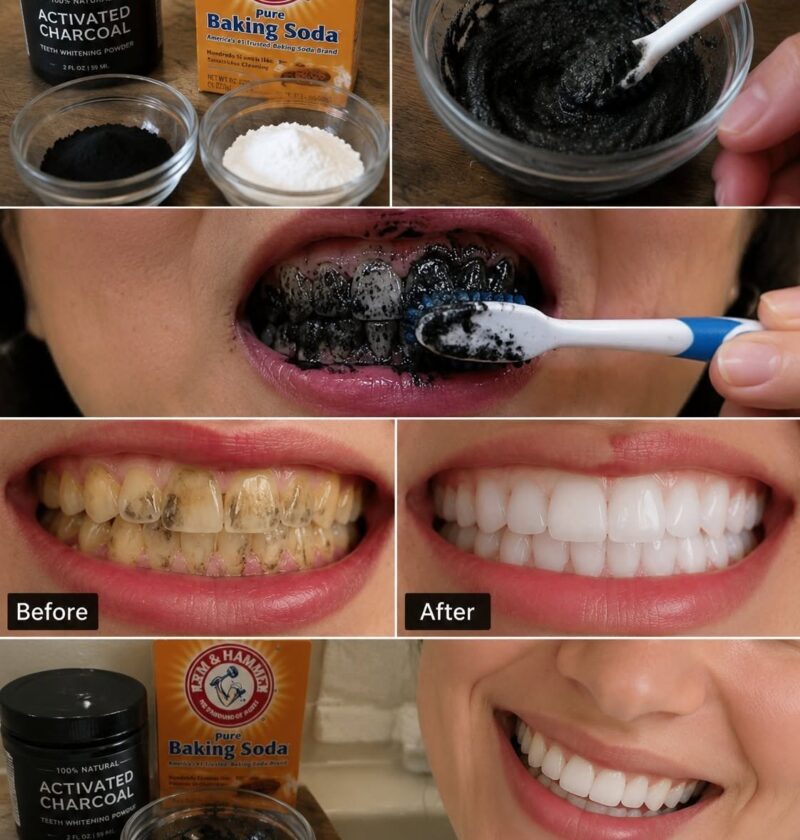
If you’re referring to a natural teeth-whitening “duo”, many online tips suggest combinations like baking soda and hydrogen peroxide or baking soda and coconut oil. However, it’s important to use caution: whitening effects from home remedies are usually limited to surface stains, and some methods can damage enamel or irritate gums if overused.
Natural Whitening Duo: Baking Soda + Hydrogen Peroxide (use cautiously)
How it works:
- Baking soda is a mild abrasive that may help remove some surface stains from coffee, tea, and food.
- Hydrogen peroxide is a bleaching agent used in many professional and over-the-counter whitening products at controlled concentrations.
Safer approach:
- Use only a small amount of baking soda.
- If using hydrogen peroxide, choose a low concentration (commonly 3% household solution) and avoid swallowing it.
- Mix a tiny amount into a paste.
- Apply gently with a toothbrush for a short time.
- Rinse thoroughly with water.
Important precautions:
- Do not scrub aggressively—abrasive brushing can wear down enamel.
- Do not use whitening mixtures daily; occasional use is safer.
- Avoid these methods if you have sensitive teeth, gum problems, cavities, crowns, veneers, or other dental work without asking a dentist first.
- Professional whitening products are generally more predictable and safer because they are designed for controlled use.
Other ways to keep teeth looking brighter:
- Brush twice daily with fluoride toothpaste.
- Floss regularly.
- Rinse after drinking coffee, tea, or staining beverages.
- Get professional cleanings when recommended.
A brighter smile usually comes from consistent oral care rather than a single home remedy.