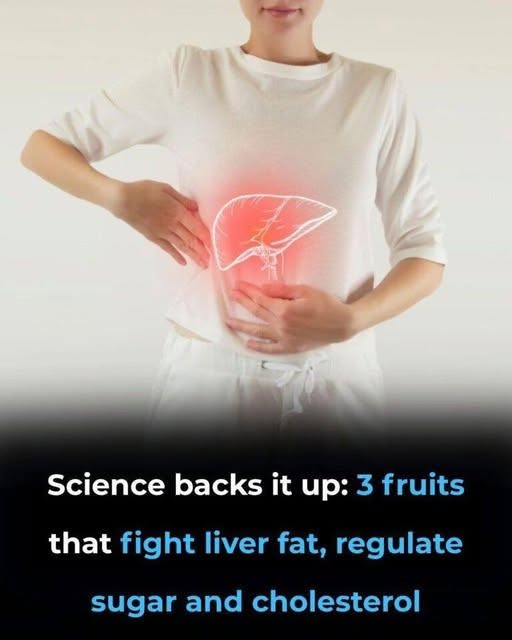
Here are 3 fruits that are consistently supported by nutrition research:
1) Apples
Apples are rich in soluble fiber (pectin), which helps slow sugar absorption and can reduce LDL (“bad”) cholesterol. Their polyphenols also support gut health, which is linked to better metabolic function.
They’re helpful for people trying to manage blood sugar spikes and cholesterol, especially when replacing processed snacks.
2) Berries (blueberries, strawberries, raspberries)
Berries are high in anthocyanins, powerful antioxidants linked to reduced inflammation and improved insulin sensitivity. Some studies associate regular berry intake with better heart markers and improved fat metabolism in the liver.
They’re also relatively low in sugar compared to most fruits, which makes them useful in glucose-friendly diets.
3) Citrus fruits (oranges, grapefruit)
Citrus fruits provide vitamin C, flavonoids, and soluble fiber, all of which support cholesterol balance and liver enzyme function. Grapefruit in particular has been studied for its effects on metabolism and insulin sensitivity—but it can interact with certain medications, so that matters clinically.
Important reality check
- Fruits alone cannot “reverse” fatty liver disease or normalize cholesterol if the overall diet is high in refined carbs, sugar, or saturated fats.
- The strongest evidence for improving fatty liver disease still points to weight management, reduced sugar intake (especially fructose from processed foods), exercise, and balanced Mediterranean-style eating.
If you want, I can turn this into a full diet plan for fatty liver or a simple daily fruit schedule that actually fits blood sugar control.