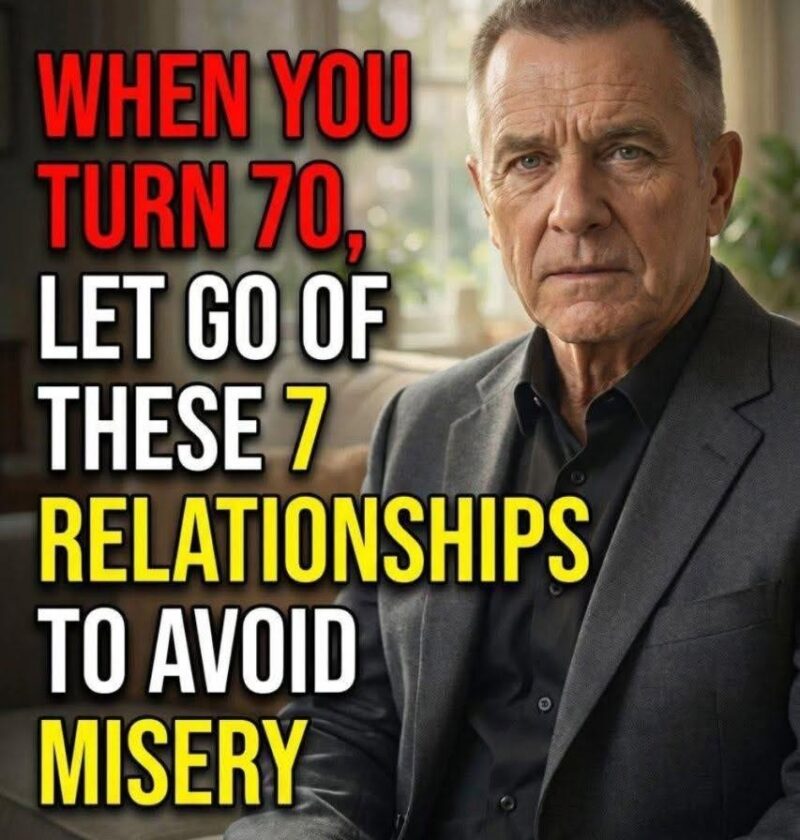
Setting healthy boundaries after 70 isn’t about distance—it’s about protecting energy, health, and peace of mind while still staying connected to others.
Here’s what healthy boundaries in later life really look like:
🧠 What “boundaries” mean at 70+
Boundaries are simply clear limits on:
- Time and energy
- Emotional involvement
- Physical ability and comfort
- Financial decisions
- Personal space and privacy
They help prevent exhaustion, stress, and feeling overwhelmed.
🧍♂️ Common areas where boundaries matter
⏰ 1) Time and availability
It’s okay to:
- Say no to frequent visits or calls
- Choose rest over social obligations
- Limit long conversations when tired
Example:
“I’d love to talk, but I can only chat for 10 minutes today.”
❤️ 2) Emotional boundaries
Avoid being pulled into:
- Family conflicts
- Guilt-based requests
- Constant emotional caregiving
You can care without carrying everyone’s problems.
💰 3) Financial boundaries
Important at any age:
- Don’t feel pressured to give money
- Avoid risky investments suggested by others
- Keep financial decisions independent when possible
🏡 4) Personal space
Even with family:
- You can ask for quiet time
- You can prefer privacy in your home
- You can set visiting rules (time, duration)
🧍♀️ 5) Physical and health boundaries
- Say no to activities that strain your body
- Choose rest when needed without explanation
- Prioritize medical routines and sleep
🗣️ How to set boundaries kindly
You don’t need to argue—just be clear:
- “That doesn’t work for me.”
- “I need to rest now.”
- “I’m not comfortable with that.”
- “Let’s do it another time.”
Simple, calm, consistent.
⚠️ Common mistake
Many older adults feel they must always:
- Agree to requests
- Be available for everyone
- Avoid saying “no”
But overcommitting often leads to fatigue and stress.
🧠 Bottom line
Healthy boundaries after 70 are not about isolation—they’re about choosing what supports your well-being and letting go of what drains it.
If you want, I can also give examples of boundaries specifically for family relationships, caregiving, or living alone vs. with family.