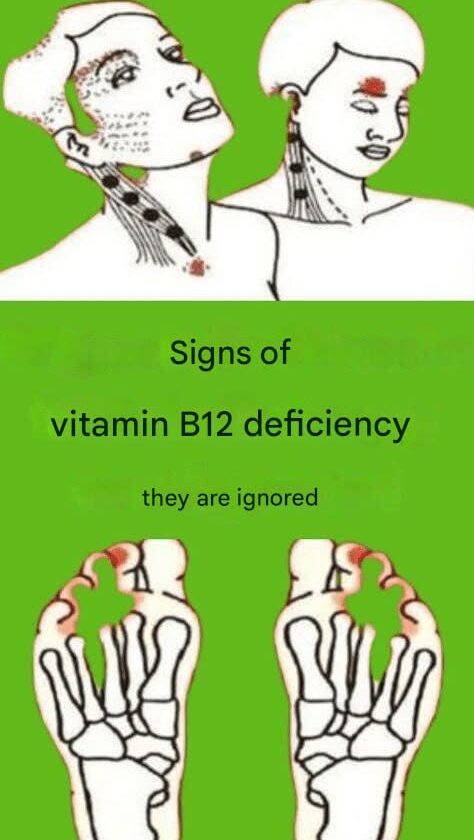
Vitamin B12 deficiency can develop slowly, and some signs are easy to dismiss because they overlap with stress, aging, busy schedules, or other health issues. If untreated for a long time, deficiency can lead to nerve problems and anemia, so persistent symptoms are worth checking.
Common signs that may be overlooked include:
- Unusual tiredness or weakness — feeling drained even after adequate rest
- Pale or yellowish skin — which can occur with certain types of anemia
- Tingling, numbness, or “pins and needles” in the hands or feet
- Balance problems or muscle weakness
- Brain fog — trouble concentrating, memory difficulties, or confusion
- Mood changes — irritability, low mood, or anxiety-like symptoms
- A sore, red, or swollen tongue
- Reduced appetite or unexplained weight loss
- Vision changes in rare cases due to nerve involvement
People at higher risk include those who:
- Eat little or no animal products (unless taking fortified foods or supplements)
- Are older adults
- Have conditions affecting absorption (such as certain stomach or intestinal disorders)
- Have had some types of gastrointestinal surgery
- Take certain long-term medications, including some acid-reducing medicines or metformin
Diagnosis usually involves a blood test for vitamin B12, often alongside other tests such as a complete blood count and related markers if needed.
If someone has new numbness, trouble walking, confusion, or significant weakness, it’s a good idea to seek medical advice promptly, because nerve effects from prolonged B12 deficiency can sometimes become difficult to reverse.