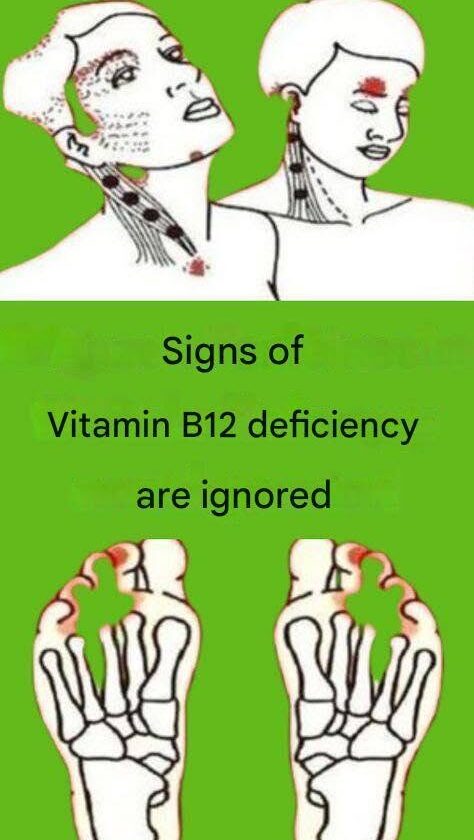
Signs of Vitamin B12 Deficiency That Are Often Overlooked
Vitamin B12 is essential for making red blood cells, maintaining healthy nerves, and producing DNA. A deficiency can develop gradually, so early symptoms are sometimes mistaken for other conditions.
Common Signs and Symptoms
1. Fatigue and weakness
Low vitamin B12 can reduce red blood cell production, leading to tiredness and reduced energy.
2. Tingling or numbness
Pins-and-needles sensations in the hands or feet can occur because B12 is important for nerve health.
3. Balance or walking problems
Some people develop difficulty with coordination or feel unsteady.
4. Memory or concentration problems
A deficiency may contribute to forgetfulness, confusion, or trouble concentrating.
5. Mood changes
Some people experience depression, irritability, or changes in mood, although these symptoms can have many other causes.
6. Pale or slightly yellow skin
Vitamin B12 deficiency can sometimes affect the appearance of the skin due to anemia.
7. Sore, smooth, or swollen tongue
Inflammation of the tongue (glossitis) or mouth ulcers may occur.
8. Shortness of breath or rapid heartbeat
If the deficiency causes anemia, you may notice these symptoms during physical activity.
Who Is at Higher Risk?
You may be more likely to develop vitamin B12 deficiency if you:
- Are an older adult
- Follow a strict vegan diet without B12 supplementation
- Have conditions that reduce nutrient absorption
- Have had certain stomach or intestinal surgeries
- Take some medications long term, such as metformin or certain acid-reducing medicines
How Is It Diagnosed?
A healthcare professional may recommend:
- Blood tests to measure vitamin B12 levels
- Additional tests if the diagnosis is unclear or another cause is suspected
Treatment
Treatment depends on the cause and severity and may include:
- Vitamin B12 tablets
- Higher-dose oral supplements
- Vitamin B12 injections for some people
Many people improve with appropriate treatment, but nerve damage can become permanent if a deficiency is severe and left untreated for a long time.
If you have symptoms that could suggest a vitamin B12 deficiency, it’s a good idea to discuss them with a healthcare professional rather than starting supplements on your own, especially if the cause hasn’t been identified.