15 Silent Signs Your Liver May Be in Trouble
The liver performs many essential functions, including processing nutrients, producing proteins, storing energy, and helping remove waste products from the body. Many liver diseases develop gradually and may cause few or no symptoms early on.
These signs do not necessarily mean you have liver disease, but persistent or unexplained symptoms deserve medical evaluation.
1. Persistent fatigue
Feeling unusually tired or lacking energy can occur with many conditions, including liver disease.
2. Loss of appetite
A reduced desire to eat may develop as liver problems progress.
3. Nausea
Ongoing nausea without another clear cause can sometimes be associated with liver disorders.
4. Pain or discomfort in the upper right abdomen
The liver is located under the right rib cage. Pain in this area may have many causes, including liver or gallbladder problems.
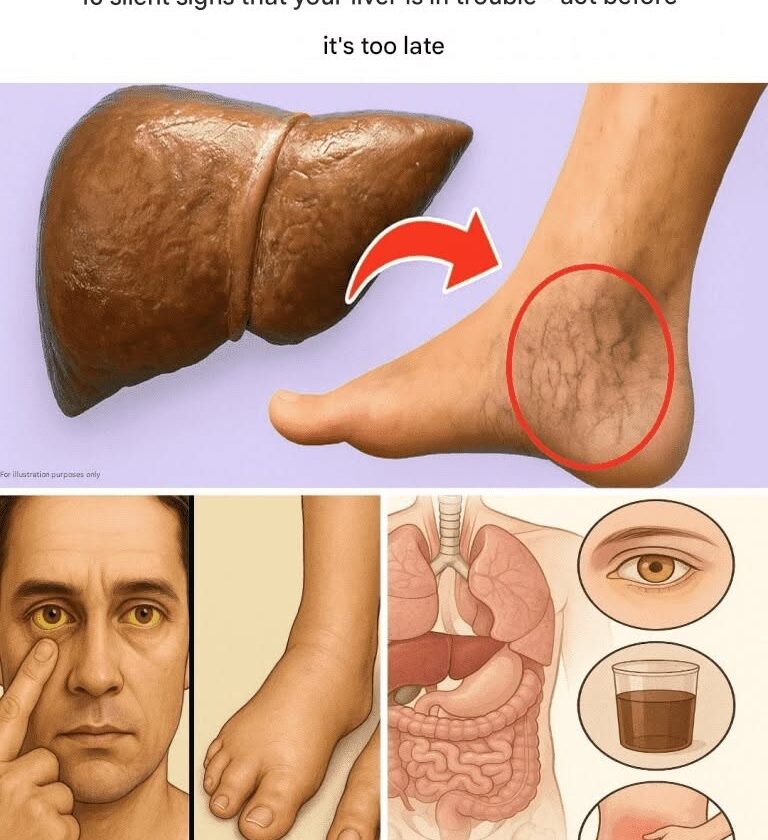
5. Yellowing of the skin or eyes (jaundice)
Jaundice is a classic sign of liver dysfunction and should be evaluated promptly.
6. Dark urine
Urine that becomes unusually dark despite good hydration may be a sign of increased bilirubin.
7. Pale or clay-colored stools
Changes in stool color can occur when bile flow is reduced.
8. Itchy skin
Persistent, widespread itching may occur in some liver and bile duct disorders.
9. Swelling in the abdomen
Fluid buildup in the abdomen (ascites) can occur in advanced liver disease.
10. Swelling of the legs or ankles
Fluid retention can cause swelling in the lower limbs.
11. Easy bruising or bleeding
The liver helps produce proteins involved in blood clotting, so advanced liver disease may increase bruising or bleeding.
12. Confusion or difficulty concentrating
Advanced liver disease can sometimes affect brain function, causing confusion or sleepiness.
13. Unexplained weight loss
Unexpected weight loss can occur with many illnesses, including liver disease.
14. Spider-like blood vessels on the skin
Small, spider-shaped blood vessels (spider angiomas) may be seen in some people with chronic liver disease.
15. Red palms
Persistent redness of the palms (palmar erythema) can occur with liver disease, although it also has many other causes.
Common Risk Factors
You may have a higher risk of liver disease if you have:
- Heavy alcohol use
- Obesity
- Type 2 diabetes
- Chronic viral hepatitis
- Certain inherited conditions
- Some medication-related liver injuries
When to Seek Medical Care
Seek prompt medical attention if you develop:
- Yellowing of the skin or eyes
- Severe abdominal pain
- Vomiting blood or black, tarry stools
- New confusion or extreme drowsiness
- Significant abdominal swelling
Protecting Your Liver
Healthy habits include:
- Limiting or avoiding alcohol if appropriate
- Maintaining a healthy weight
- Eating a balanced diet
- Exercising regularly
- Taking medications only as directed
- Getting recommended vaccinations and screening if you’re at risk
Many liver conditions are treatable, especially when detected early. If you have persistent symptoms or risk